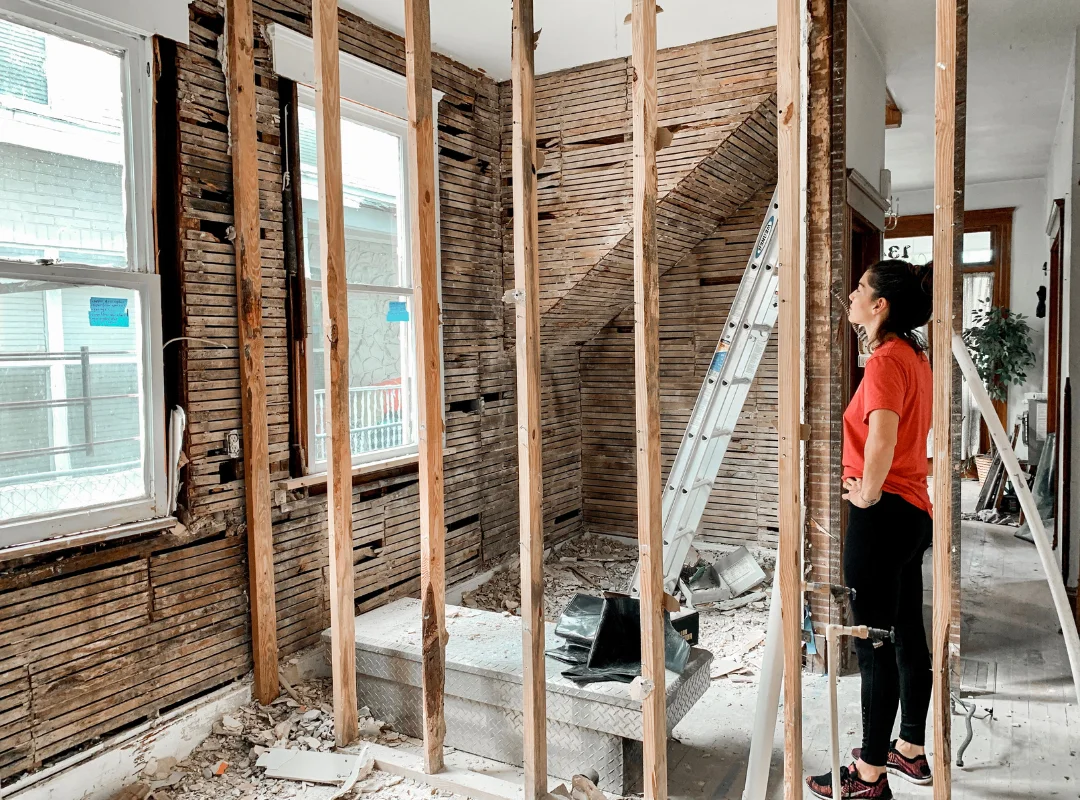
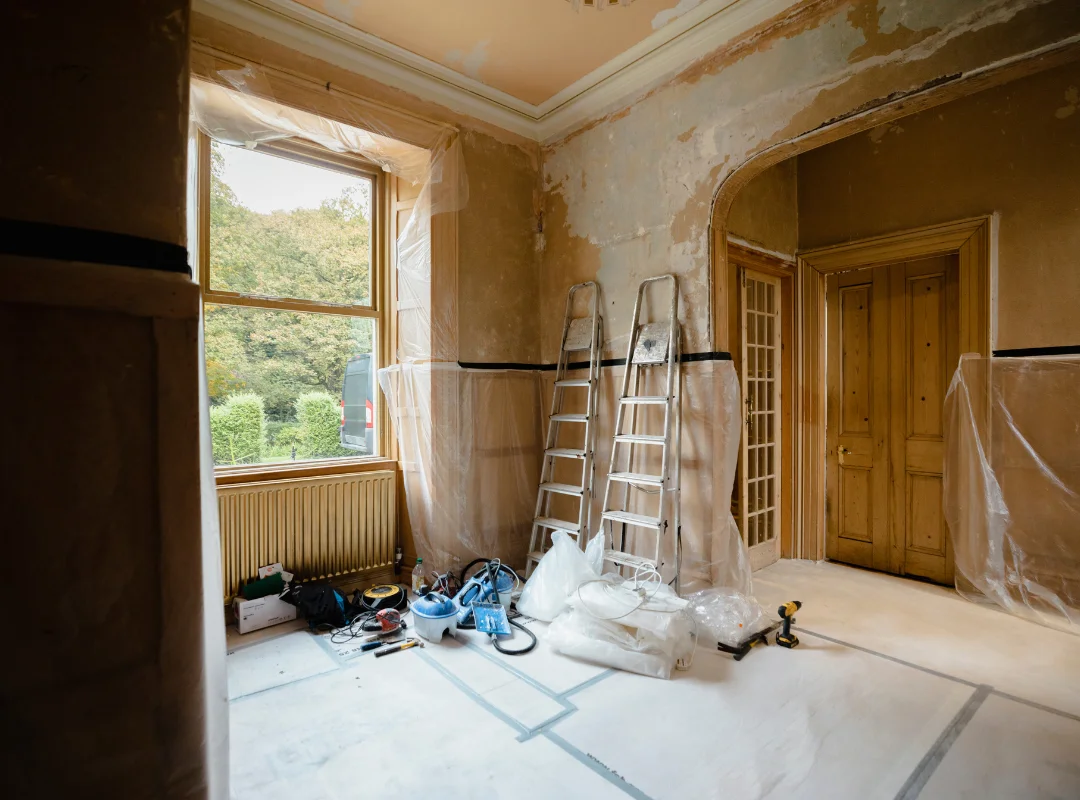
Renovating a house can feel overwhelming when you don’t know where to start. This house renovation guide breaks the process into simple, manageable steps. Plus, you’ll learn how to budget wisely, hire contractors, and increase your home’s resale value along the way.
A successful house renovation follows a clear order:
Plan your goals
Set a realistic budget (an extra 10-30% for surprises)
Hire the right team
Secure proper permits
Work from structure to finishes
This step-by-step guide covers everything from planning to final touches. Hence, you can approach your renovation project with confidence and far less stress. Read on!
How Do You Start Planning Your Home Renovation?
Every great home renovation starts with a clear vision. So write down what you want to change and why. Also, list your must-haves and your nice-to-haves separately. Next, decide which rooms matter most to your daily life.
Start planning early, because good preparation prevents costly mistakes later. Review these helpfulsteps before starting your kitchen renovation so you don’t miss any critical preparation.
Setting a Realistic House Renovation Budget
Cost is usually the first concern for many homeowners. According to Houzz research, 54% of homeowners who renovated in 2024 spent around $20,000. So set a realistic budget before any work begins.
Add 10-30% extra as a buffer for hidden renovation costs. Also, follow the 30% rule: avoid spending more than 30% of your home’s value on a renovation. This way, you protect both your finances and your resale value.
Creating a Detailed Renovation Plan
A detailed renovation plan is about writing down scattered ideas into a clear roadmap. So gather inspiration from design sites, magazines, and social media first. An interior designer can also help refine your style and layout.
Then map out each room and the work it needs. Plus, decide where to add natural light, storage, or better flow. A solid renovation plan keeps everyone on the same page as construction begins. When finalizing your kitchen, a plan helps you avoidthe most common kitchen layout mistakes that ruin daily tasks.
Getting Proper Permits
Most renovation projects need proper permits from your local authority. If your remodel involves:
Structural changes
Room additions
Moving walls
Electrical upgrades
Plumbing modifications
HVAC work
Decks
Pools
You’ll typically need approval from the city’s Building Division before construction starts.
Because permit reviews and inspections can take time, it’s important to verify requirements early in the planning process. Your contractor should help determine which permits are needed, submit applications, schedule inspections, and ensure the project complies with local building codes.
Hiring the Right Team
Hiring the right contractor matters just as much as the design. Therefore, vet each remodeling contractor carefully before signing anything. Check licensing, insurance, and a portfolio of similar work.
Plus, read positive reviews and verify the pros on the Better Business Bureau website. Also, get at least three cost estimates so you can compare fairly. Interviewing several contractors is time-consuming, but it reduces stress later.
Understanding Your Home’s Structure Before Construction Begins
You must understand your home’s structure before you knock down any walls. So consult a structural engineer if you plan to remove load-bearing walls, because older houses often hide additional problems behind them.
A clear assessment protects your safety and your budget. Hence, you avoid expensive surprises once demolition starts. This structural evaluation becomes even more critical if you are expanding vertically; a professional must evaluate your foundation to determine how to safely add a second story to your home.
Exterior Renovations
Exterior renovations protect your home and lift its curb appeal. These typically include the roof, windows, and a garage:
Inspect your roof early, since a new roof prevents leaks and damage.
New windows also improve the insulation and bring in more natural light.
Garage conversions add valuable square footage without a full extension.
Interior Home Remodel
An interior home remodel transforms how each room feels and functions. According to JLC’s Cost vs. Value report (2025), a minor kitchen remodel returned 113% ROI. So focus on high-impact rooms like the kitchen and bathroom first.
Tackle hidden work behind the walls before any finishes. Therefore, complete plumbing and electrical work during the rough-in stage. Then install new flooring, paint, and cabinets in the proper order.
If you live in East Tennessee, checking local market data, such as the standard kitchen renovation cost in Johnson City, TN, will help keep your financial expectations accurate.
Bring Your Renovation Vision to Life
A house renovation runs smoothly when you follow a clear, logical order. So plan carefully, budget with a buffer, and hire the right team. Hence, you reduce stress and protect your investment from start to finish.
Now you know what to expect at every stage of the process. Plus, you have the tools to build the dream home you’ve always wanted. Start with one room, then grow your plans from there.
Ready to begin your renovation project the right way? Liberty Renovation helps homeowners plan, design, and deliver renovations with confidence. So reach out to the Liberty Renovation team today and turn your ideas into reality.
Frequently Asked Questions
1. How long does a typical house renovation take?
Timelines vary widely by scope and size. A single room may take a few weeks, while a whole-house project can take several months. Permits and inspections often add extra time, so build in a buffer.
2. Should I live in my home during a renovation?
It depends on the scale of work. Minor projects allow you to stay put comfortably. However, major structural work creates dust and noise, so temporary accommodation is often safer and less stressful.
3. What renovations add the most resale value?
Kitchens and bathrooms typically deliver the strongest returns. Energy-efficient upgrades, added square footage, and curb-appeal improvements also help. Focus on changes that buyers in your area value most.
4. Do I need an architect or just a contractor?
Cosmetic updates usually need only a contractor. However, structural changes, extensions, or complex layouts often require the services of an architect or a structural engineer. They ensure your plans are safe and code-compliant.
5. How can I avoid going over budget?
Get multiple detailed quotes before you commit. Then add a 10-30% contingency for surprises. Also, finalize your design early, since mid-project changes are the most common cause of overspending.