
What Are the Steps to Remodeling a Kitchen?
A kitchen remodel sounds exciting until you realize how many moving parts are involved. Cabinets, countertops, plumbing, electrical, flooring, lighting fixtures, kitchen appliances, paint colors, and permits all have to line up in the right order. If one part is delayed, the entire project can slow down.
So, what are the steps to remodeling a kitchen? The answer is not that simple to explain. Let’s walk through the remodeling process in a way that makes sense for real homeowners.
Kitchen Remodeling Checklist: What Comes First?
A kitchen project works best when every phase follows a logical order. Jumping ahead can create extra labor costs, wasted materials, and delays that could have been avoided.
Most kitchen remodeling projects follow these essential steps:
- Plan your goals, budget, layout, and timeline.
- Choose cabinets, countertops, flooring, appliances, and lighting.
- Complete demolition.
- Handle plumbing work, electrical updates, and gas lines.
- Install drywall and paint.
- Install kitchen cabinets and countertops.
- Add flooring, lighting fixtures, sink, appliances, and final touches.
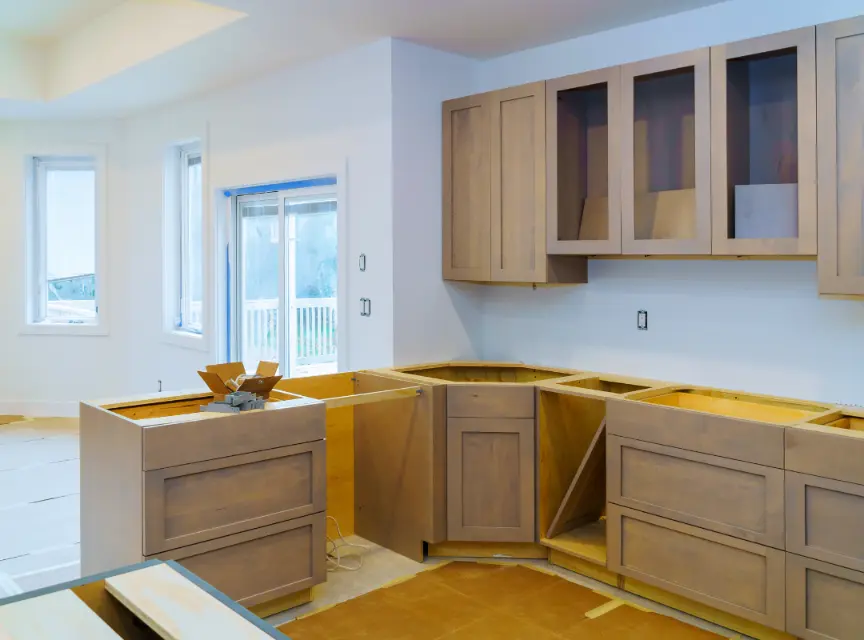
Reviewing essentials before starting your kitchen renovation can help ensure important decisions are made before materials are ordered. This way, you’ll follow a smoother renovation with fewer surprises and a better chance of reaching the finish line on time and on budget.
Start Your Kitchen Remodel With a Clear Plan
Every successful kitchen remodel begins before anyone touches a wall. This is where you decide what your current kitchen is missing and what your new kitchen needs to do better.
Your old cabinets may not offer enough storage. Your refrigerator may block the walkway. Or your old appliances are using too much energy and making cooking feel harder than it should. Many homeowners begin with pro tips for designing their dream kitchen to refine their vision before creating a final renovation plan.
A good plan should answer these four questions:
- What needs to change?
- What can stay?
- What is the budget?
- How long will it take?
So, don’t rush this stage. Careful planning saves money, protects your timeline, and gives your contractor a real roadmap.
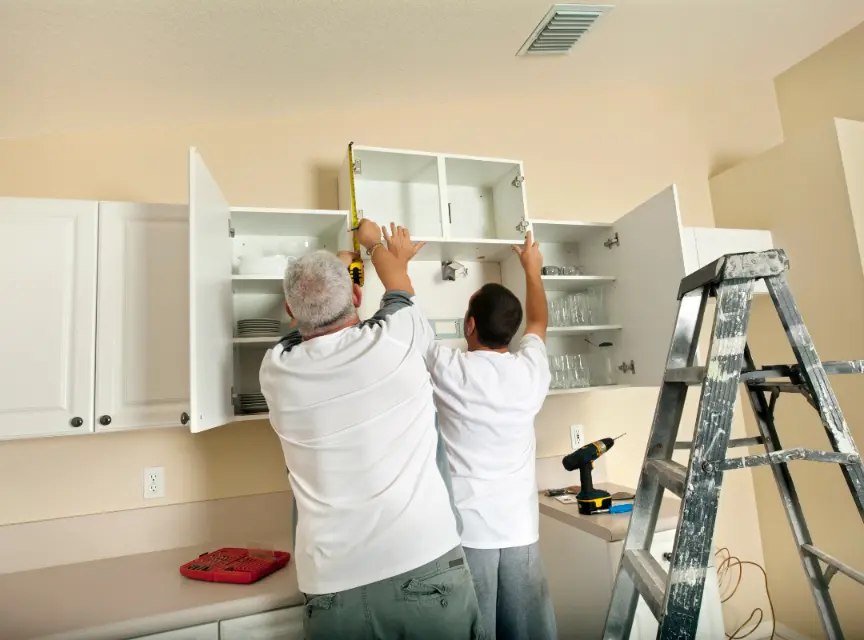
The Design Process in the Kitchen Remodel
The design process is where your ideas turn into a workable plan. This is when space planning, cabinet placement, appliance locations, and workflow all come together. Avoiding the most common kitchen layout mistakes early in the design phase can save both time and money during construction.
Liberty Renovation will look at how you use the room every day. Do you cook large family meals? Do you need a bigger sink? Do you want a mini fridge on the island for drinks? These details matter because they affect plumbing, electrical, cabinetry, and appliance placement.
Common layout goals include:
- Better meal preparation flow.
- More usable storage.
- Clear walkways.
- Room for new appliances.
This is where you need to decide whether to keep the existing cabinets or replace them. If the cabinet boxes are solid real wood and the layout works, refacing may save money. If the layout is poor or the cabinetry is damaged, replacement is usually the better option.
Budget for Kitchen Remodeling Projects
Money drives many remodeling projects, but a budget should not be a guessing game. You need to know where the kitchen renovation costs will go before the work starts.
A typical kitchen remodel budget includes:
- Cabinets and cabinetry: Often 25–35% of the budget.
- Labor costs: Usually one of the largest parts of the project.
- Countertops: Quartz, granite, butcher block, and tile all vary in price.
- Appliances: New appliances can range from basic packages to premium upgrades.
- Plumbing and electrical: Costs rise if you move the sink, refrigerator water line, outlets, or gas lines.
- Flooring and drywall: Especially if walls are opened or the layout changes.
- Paint, lighting, and final touches: These seem small but add up quickly.
Plus, always hold back 10–15% for surprises. Older homes can hide damaged subfloors, outdated wiring, or plumbing issues behind the walls. It’s better to plan for those costs than be caught off guard halfway through the remodel.
Demolition Comes Before the New Kitchen Takes Shape
Demolition removes what no longer works. This may include old cabinets, countertops, flooring, drywall, tile, lighting fixtures, and old appliances.
A DIY kitchen remodel may seem tempting here. And yes, homeowners can sometimes remove cabinet doors, backsplash tile, or old flooring on their own. But full demolition can get risky if you’re dealing with electrical wiring, plumbing, gas lines, kitchen lighting, or load-bearing walls.
This is where Liberty Renovation earns its name. We know what can be removed safely and what needs professional handling. One wrong cut into a water line or electrical cable can turn a money-saving idea into a costly repair.
If your remodel includes wall changes, plumbing work, or gas appliances, call Liberty Renovation now!
Install Kitchen Cabinets Before Installing Countertops
Cabinets usually go in before countertops. This is because countertops are measured after the base cabinets are installed and leveled.
Kitchen cabinets create the foundation for the rest of the space. If the cabinets are off by even a small amount, the countertops, sink, backsplash tile, and appliances may not fit correctly. Generally, there are two types:
- Custom cabinets cost more, but they can solve problems that stock cabinets cannot. They’re useful when your kitchen has odd wall angles, limited space, or specific storage needs.
- Stock cabinets can still work well for many homeowners. They’re more budget-friendly and faster to order. But they may leave filler gaps or limit your layout options.
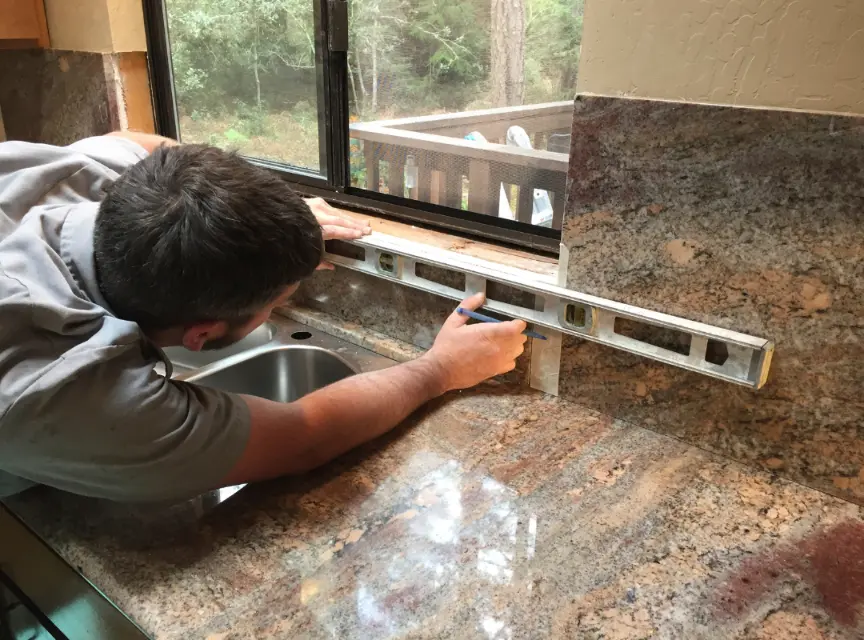
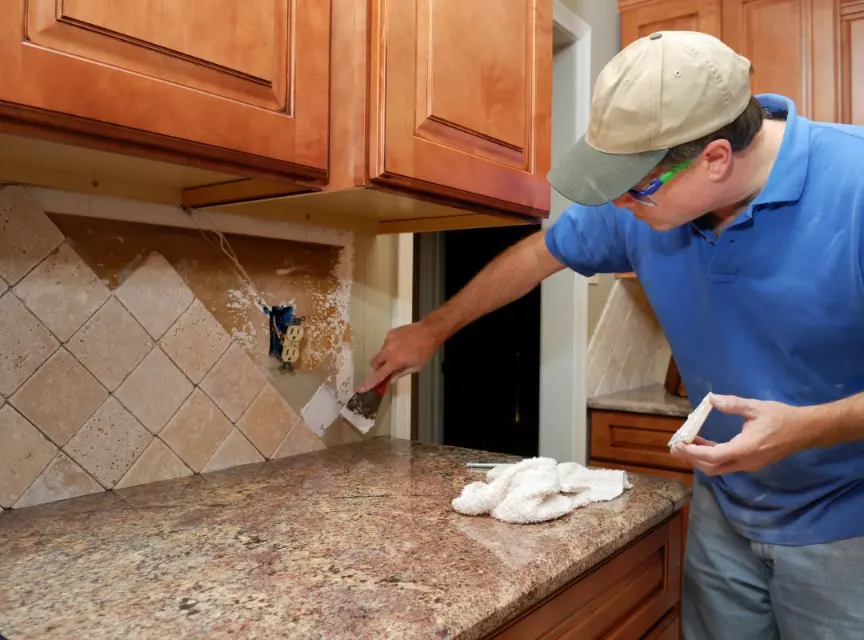
If you want real wood doors, soft-close drawers, deep pantry storage, or hidden trash pull-outs, talk through those details before ordering the cabinets. Once the cabinets are installed, changes become more expensive.
Countertops, Flooring, Lighting & Kitchen Appliances
Next comes flooring, lighting, and appliances. The order may vary based on the materials, but the goal is the same: complete the space without damaging new finishes.
Important details include:
- Flooring: New flooring should handle spills, traffic, and daily cooking. Luxury vinyl, tile, engineered wood, and porcelain are common choices.
- Lighting: Layered lighting works best. Use overhead lighting throughout the room, task lighting over counters, and pendants over islands.
- Appliances: New appliances must fit the openings planned during the design process.
- Paint colors: Choose colors after reviewing cabinets, countertops, flooring, and lighting together.
This stage is where the kitchen renovation finally starts to feel complete.
Final Thoughts
A kitchen remodel is a big project, but it becomes much easier when you follow the right order. Here’s a recap of everything we’ve learned:
- Plan the entire project before demolition.
- Confirm cabinets, appliances, countertops, flooring, and lighting early.
- Set up a temporary kitchen before construction starts.
- Leave room in your budget for hidden costs.
- Use a punch list to complete the final details.
Your new kitchen should feel better, function better, and support the way your family uses the room every day.
Start Your Kitchen Remodel with Liberty Renovation
If you’re ready to remodel your kitchen, Liberty Renovation can help you turn your ideas into a finished space with less stress. Liberty Renovation helps homeowners plan carefully, compare options, and make smart choices for kitchens, bathrooms, living rooms, full-home renovations, and more.
Whether you need new cabinets, better lighting, updated appliances, custom cabinetry, new flooring, or a total remodel, we’ll help you make smart choices that fit your home and budget.
Call Liberty Renovation today at (423) 480-8904 or visit our office in Johnson City, TN, and schedule your kitchen renovation estimate and start planning your dream kitchen.
FAQs
1. How long does a kitchen remodel usually take?
A standard kitchen remodel usually takes 6–10 weeks once construction begins. Smaller updates may take less time, while a major kitchen remodel with layout changes, plumbing, electrical, custom cabinets, and new flooring can take 10–12 weeks or longer.
2. Can Liberty Renovation help with kitchen remodeling projects in Johnson City, TN?
Yes. Liberty Renovation works with homeowners in Johnson City, TN, and surrounding areas. We help with kitchen renovation planning, layout changes, cabinetry, countertops, flooring, lighting, appliances, and full remodeling projects.
3. Is a DIY kitchen remodel a good way to save money?
A DIY kitchen remodel can save money on small tasks like painting, removing cabinet hardware, or simple demolition. But plumbing work, gas lines, electrical updates, installing countertops, and structural changes should be handled by qualified professionals to avoid costly mistakes.
4. Does Liberty Renovation help with the design process?
Yes. Liberty Renovation helps homeowners think through the design process, including kitchen layout, cabinet options, countertop materials, flooring, lighting fixtures, appliances, and final touches. The goal is to create a kitchen that looks good and works well every day.