Should You Build a New Home or Renovate an Existing One
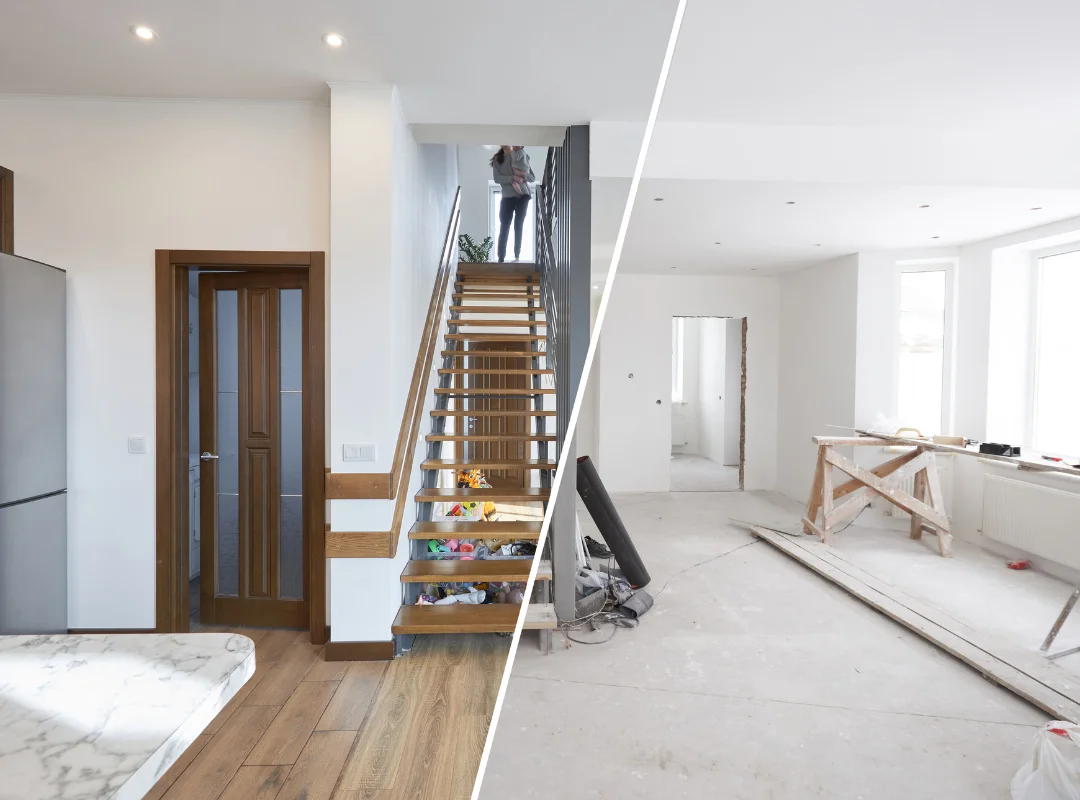
The answer comes down to the condition of the existing structure, how much existing space already works for a family, and how each option’s total cost compares once renovation costs are considered. An old house with good bones in a location a family loves is generally a strong renovation candidate, while a lot with no usable structure, or a home that would need work in nearly every room, tends to point toward a new house instead. Both paths lead to a home that fits a family well.
Looking at the Existing Structure First
Before deciding between a construction project from scratch and a house renovation, it makes sense to look closely at what the existing home already has going for it. A roof with years of life left, a solid foundation, and a layout that mostly works are all reasons an existing house might be worth keeping and building on.
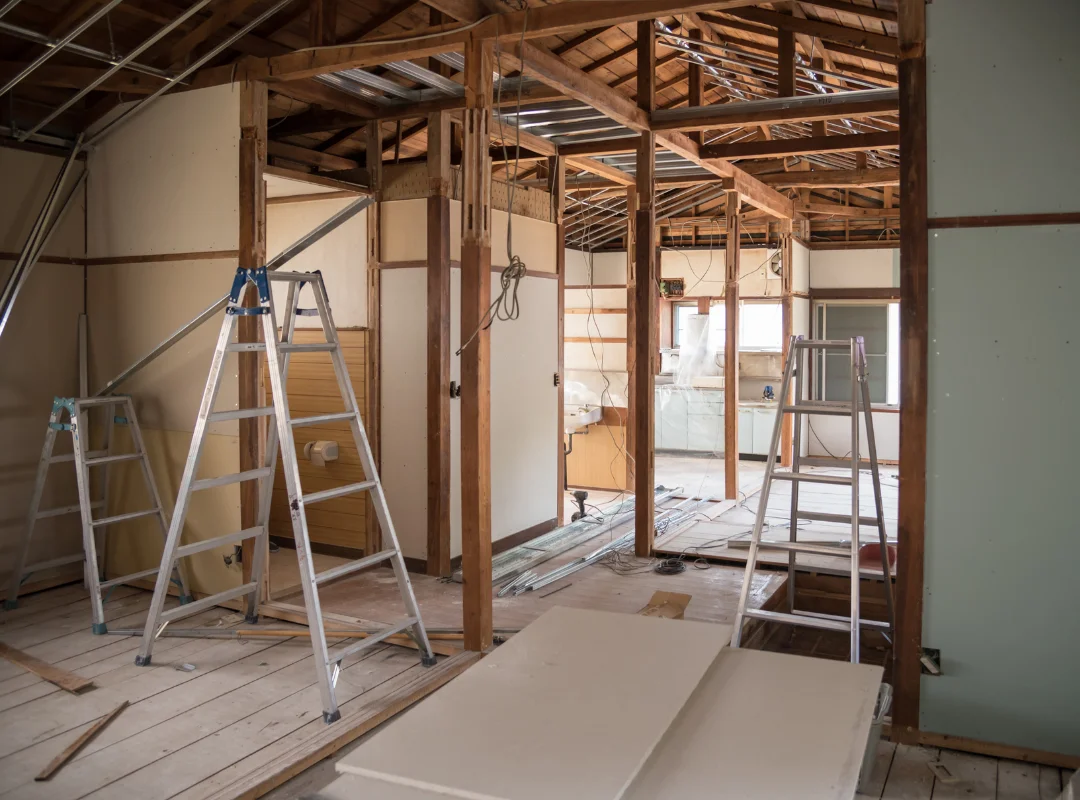
On the flip side, a home with outdated wiring throughout, a failing foundation, or a layout that fights against every attempt to open it up may cost more to fix than it would to build new. This is one of the first steps in any real decision-making process.
Renovation Costs Vs a Higher Upfront Cost
Renovation projects generally cost less than a full custom home. The final number can shift once unexpected issues turn up behind walls or under flooring.
A new build, by comparison, generally carries a higher upfront cost since everything from the foundation to the roof is built fresh, but it comes with fewer surprises along the way.
Lead paint
Old plumbing
Foundation issue found mid-project
All these factors together can quickly add to the total cost of a renovation, so a family weighing both options should build in a cushion for unexpected expenses either way.
A renovation is usually more cost-effective for a family that loves its home and simply wants better functionality. Before starting your project, learn how to budget for a home renovation without overspending to plan your costs. A new build may make more sense for a family chasing a certain layout that an older structure cannot support.
Existing Layout, Living Spaces, & Square Footage
An existing layout can be a real limitation or real advantage, depending on how the original living spaces were designed. Some old house floor plans include small, closed-off rooms that conflict with how families live today. Others already have a great flow that just needs updated finishes and a few walls removed.
Square footage matters here, too, since an existing home with enough room to work with can usually reach a family’s goals through smart renovation. A full-house renovation can touch every room, add energy-efficiency upgrades throughout, and still preserve the character that drew a family to the home in the first place.
Families weighing this option should think through their long-term plans for the property, since a home they want to keep for decades deserves a different level of investment.
Bathroom Renovations, Home Improvements, & Smart Upgrades
Some of the most common home improvements inside an older home start small. Bathroom renovations are a frequent starting point, since poor lighting, outdated fixtures, and cramped layouts are easy to spot and fix without touching the rest of the house. From there, you can add smart home technology like updated thermostats, improved insulation, and better lighting controls, which brings an older home closer to the comfort level of new construction.
Making the Decision for Your Own Home
Deciding on a home involves more than just cost, since a family also has to weigh how attached they are to a neighborhood, a location, or the character of an old house that a new build simply cannot replace.
A construction project built from the ground up gives full control over every detail. At the same time, a renovation keeps a family rooted in a place with history and an established yard, street, and community.
Anyone leaning toward a full renovation should talk with a contractor early, since personalized advice based on the home’s actual condition leads to a more realistic budget than guessing from the outside.
Weighing the Full Picture
Choosing between a new house and a full house renovation is rarely a simple either-or decision, since the right answer depends on:
True condition of the existing structure
Family’s long-term plans
How much does renovation cost compared to new construction pricing
A home with strong bones and a workable existing layout is usually the better renovation candidate, while a property with major structural issues may point toward starting fresh.
Either path can lead to a home that fits a family’s needs, and taking time to walk through the full picture before committing pays off in the end.
Liberty Renovation: Home Renovation Contractors
Get in touch with Liberty Renovation in Johnson City, Tennessee, to discuss either path for your home. We handle kitchen remodeling, bathroom remodeling, whole-home renovations, house additions, andnew construction, so your family can get a real comparison of what renovating versus building new would look like for their specific property.
Q1. Is it better to renovate an old house or build a new one?
A: It depends on three things: your budget, timeline, and the condition of the existing home. Renovating can preserve your property’s character and cost less in some cases, while building a new home offers complete design flexibility and modern construction standards.
Q2. What is the 30% rule for renovations?
A: The 30% rule is a general guideline suggesting you avoid spending more than about 30% of your home’s current value on renovations unless you plan to stay in the home for many years.
Q3. What adds the biggest value to a house?
A: Bathroom updates, kitchen renovations, improved curb appeal, energy-efficient upgrades, and additional living space are among the home improvements that generally add the most value.
Q4. What devalues a house the most?
A: Outdated electrical or plumbing systems, structural issues, water damage, poor maintenance, an aging roof, and neglected landscaping can reduce the value of any home.
Q5. What is the correct order to renovate a house?
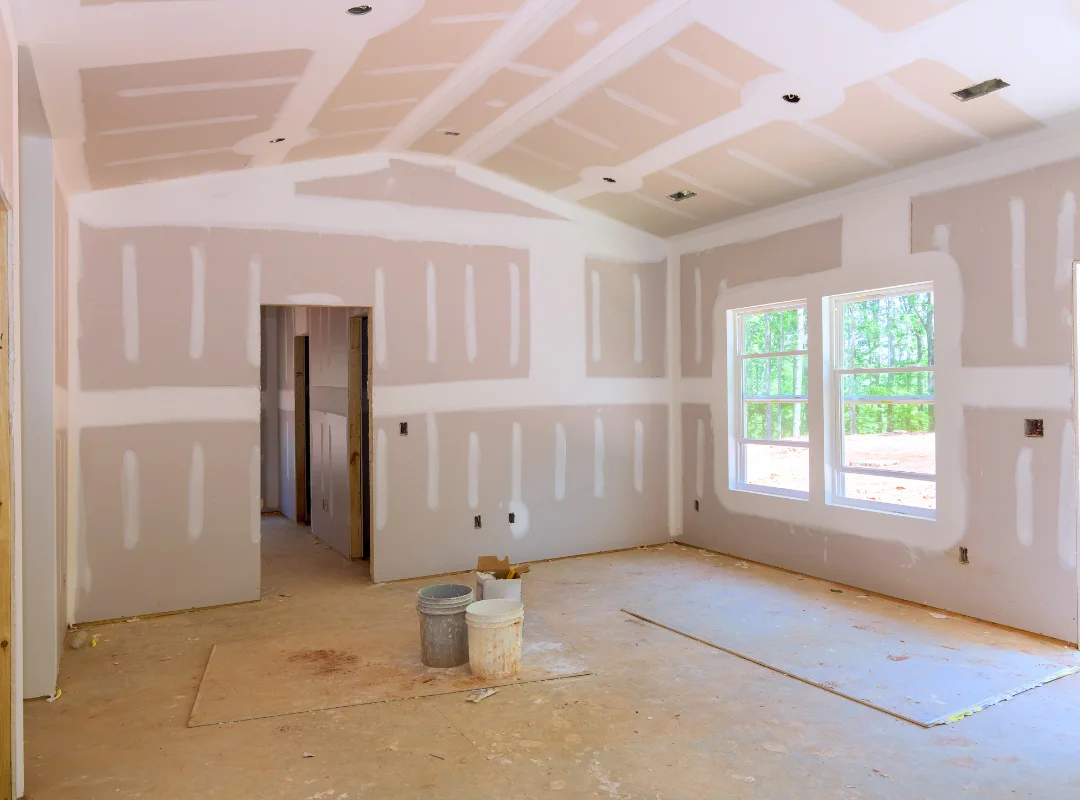
A: A renovation starts with planning and permits, followed by structural repairs, plumbing and electrical work, roofing, HVAC installation, insulation, drywall, flooring, painting, cabinetry, fixtures, and final finishing touches.
Q6. Is it cheaper to buy a new house or remodel an old one?
A: The cost varies based on the condition of the property and the extent of the remodel. Minor to moderate renovations are generally less expensive than purchasing a new home, while extensive renovations can sometimes cost as much as or more than building new.