
What Are The Best Energy-Efficient Home Upgrades
When homeowners plan upgrades, they usually think about looks, comfort, or added space. But rising energy costs now shape every decision. Any home improvement project also raises one important question: how much energy will this home use after the work finishes? That question matters more today than ever. So, when people ask what the best energy-efficient home upgrades are, they look for solutions that reduce waste and keep utility bills under control without sacrificing comfort. We break down the most effective options for your home. You will see how small changes and major systems work together to cut energy usage and improve daily living. Keep reading, because some of these upgrades may surprise you.
Heating & Cooling Systems That Work Smarter, Not Harder
Heating and cooling eat up the biggest share of energy use in most homes. Old systems often run on fossil fuels or rely on electric resistance heating, which drives up energy bills fast.
Modern energy-efficient HVAC systems change that picture. Air source heat pumps and electric heat pumps move heat instead of creating it. That simple shift delivers strong energy savings. These systems pull warm air from outside during winter and reverse the process in summer for cooling.
Heat pump systems also improve indoor air quality because they circulate and filter air more consistently. Homeowners who replace separate heating and cooling units with a new HVAC system often notice lower cooling costs and steadier indoor temperatures.
A proper heat pump installation makes a clear difference. It reduces energy waste and keeps your home’s energy efficiency on track all year long.
Air Sealing & Insulation That Locks in Comfort
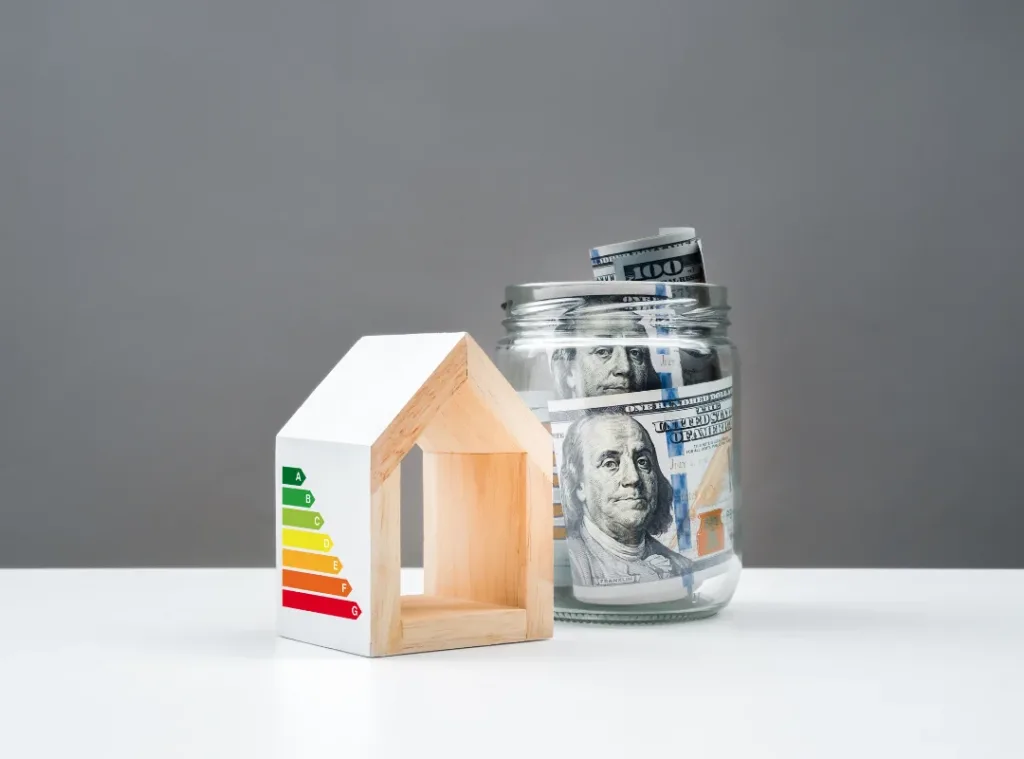
Even the best HVAC system struggles when a home leaks air. Many homes lose conditioned air through gaps in exterior walls, crawl space areas, and duct systems. That leakage forces systems to work harder and increases energy consumption.
Air sealing tackles that problem at the source. It blocks air leakage around windows, doors, and hidden cracks. Once you stop leaking air, your heating and cooling systems work less, and you save energy right away.
Attic insulation also plays a major role. Heat escaping through the roof creates higher heating bills in winter and warmer indoor spaces in summer. Proper insulation slows that transfer and stabilizes indoor comfort.
Crawl space insulation and duct sealing also improve performance. These upgrades work together like a tight lid on a pot. They hold warm air inside during winter and cool air inside during summer. That simple balance keeps energy usage steady and predictable.
Heat Pump Water Heaters That Cut Daily Energy Use
Water heating takes a big share of household energy use. Traditional water heaters often rely on natural gas or electric resistance heating. Both methods use more energy than necessary.
A heat pump water heater offers a smarter solution. It pulls heat from the surrounding air and uses it to warm water. This process uses far less electricity and delivers steady hot water without heavy energy waste.
Homeowners who switch to this system often see noticeable drops in utility bills. It also qualifies for programs like the residential clean energy credit, which helps reduce upfront costs.
Heat pump water heaters work especially well in homes that already focus on energy efficiency improvements. When paired with insulation and efficient HVAC systems, they create a strong foundation for lower energy bills.
Solar Panels & Clean Energy That Power the Home
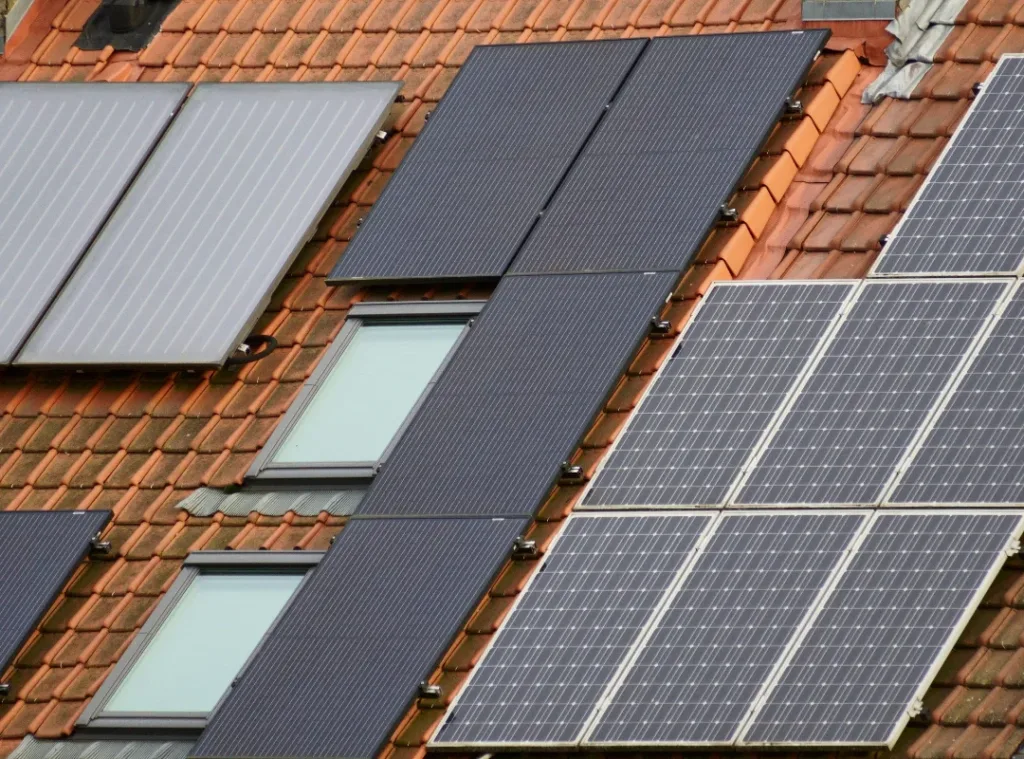
Solar panels give homeowners direct control over energy usage. Instead of relying only on the grid, you generate renewable energy right on your roof. That shift reduces dependence on fossil fuels and lowers long-term energy costs.
Adding solar panels also supports other home systems. For example, they can power electric heat pumps, smart appliances, and even electric vehicles. Some homeowners also add battery storage systems to keep energy available during outages or peak demand hours.
Clean energy systems work best when paired with strong energy efficiency upgrades. If your home wastes energy, solar panels only offset that waste. But when you reduce energy loss first, solar systems perform at their full potential.
Smart Technology & Appliances That Control Waste
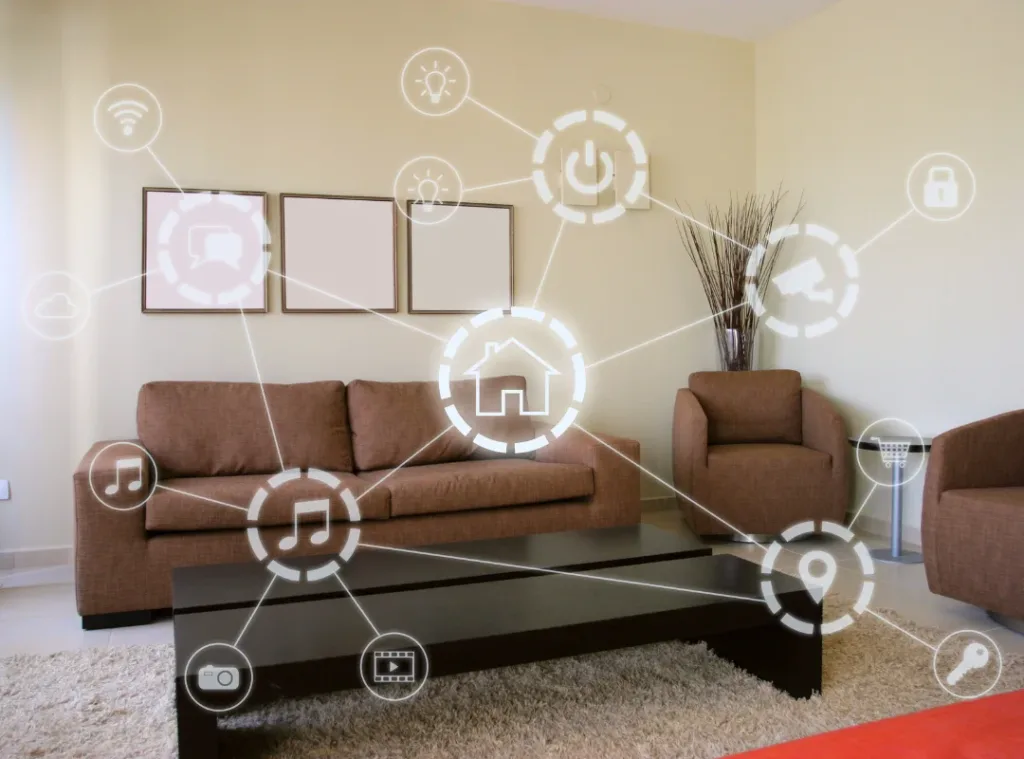
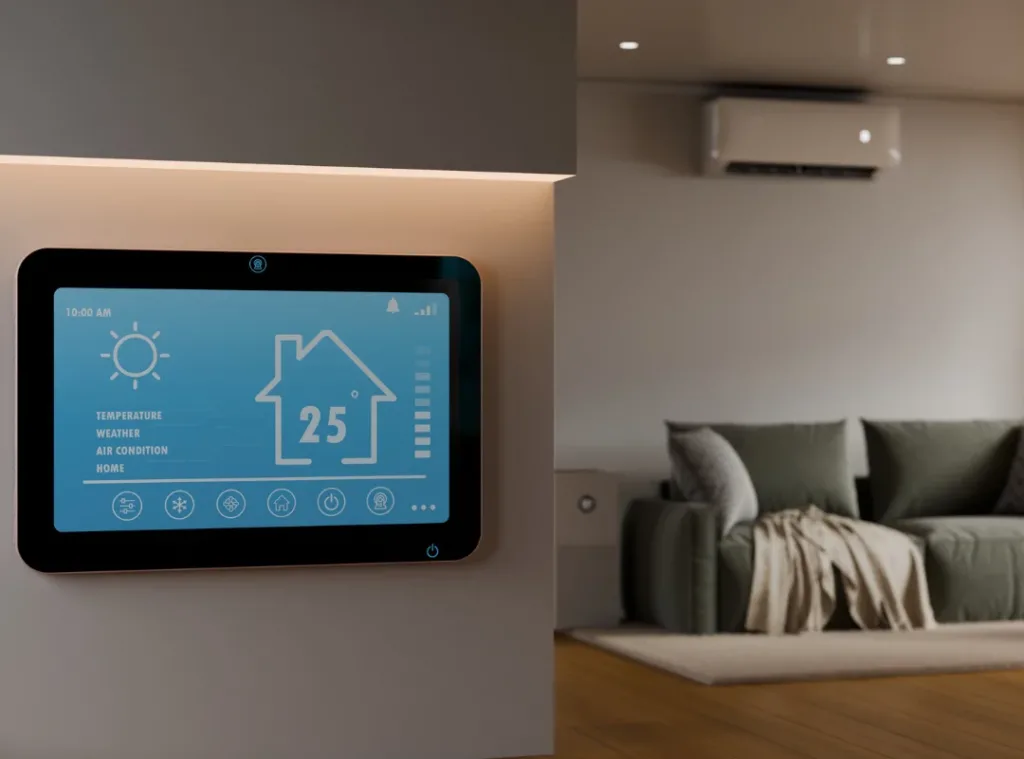
Smart technology now plays a big role in energy-efficient home upgrades. A smart thermostat learns your habits and adjusts heating and cooling automatically. It reduces energy use when you leave the house and restores comfort before you return.
Smart appliances also help reduce energy consumption across daily tasks. Refrigerators, dishwashers, washers, and dryers with high efficiency ratings use less electricity and water without reducing performance.
Induction stoves offer another strong upgrade. They heat cookware directly instead of warming the air around it. That improves efficiency and reduces wasted heat in the kitchen. If you are also planning a kitchen upgrade alongside these energy improvements, understanding the differences between a range, stove, and oven helps you choose the right cooking setup that pairs well with an energy-efficient kitchen design.
Energy-efficient skylights also help control natural lighting without increasing cooling costs. When installed correctly, they brighten living spaces while maintaining thermal balance.
These smart upgrades may look small on their own, but together they reduce overall energy waste in a noticeable way.
Home Energy Audits That Reveal Hidden Problems
A home energy audit gives you a clear picture of how your home uses energy. Professionals check insulation levels, air leaks, HVAC performance, and energy consumption patterns.
This process helps identify where energy escapes and where systems underperform. Many homeowners discover problems they never noticed, like hidden duct leaks or poor attic insulation.
A proper audit guides every improvement decision. Instead of guessing, you invest in upgrades that deliver real savings. That approach prevents wasted money and helps prioritize the most effective changes first.
Companies like Liberty Renovation often use audit results to plan targeted energy upgrades that match the home’s structure and budget. That method keeps projects focused and efficient from start to finish. For homeowners considering a broader renovation alongside these energy upgrades, understanding what to expect from new construction helps you plan how energy-efficient systems fit into a larger build from the ground up.
Appliance & System Upgrades That Reduce Long-Term Costs
Home upgrades go beyond major systems. Smaller appliance choices also shape energy usage over time. Energy-efficient home features like smart refrigerators, efficient washers, and low-consumption dryers all reduce utility bills.
Heating and cooling upgrades often connect with appliance planning. For example, switching from gas systems to electric heat pumps changes how your home uses energy. It also prepares your home for renewable energy integration.
Even electric vehicles influence home energy planning. Many homeowners now install charging stations alongside solar systems and battery storage units. That combination builds a more energy-aware household.
Every upgrade works best when it supports the others. That balance reduces strain on the grid and keeps energy consumption under control.
Final Thoughts on Building a More Energy-Efficient Home
Energy efficiency does not rely on one big change. It depends on a chain of smart decisions. Heat pumps, insulation, solar panels, and smart systems all work together to cut waste and improve comfort. When homeowners focus on energy-efficient home upgrades, they protect themselves from rising energy costs and reduce long-term utility bills. They also improve comfort in every season without overloading their systems. A well-planned home does not fight energy loss. It controls it. And that control creates a steady, efficient living space that performs better year after year.
Energy-Efficient Home Upgrades with Liberty Renovation
Energy efficiency at home is about combining improvements that reduce energy loss and improve how heating and cooling systems perform throughout the year. Small changes can reduce strain on your HVAC system, while larger upgrades can significantly improve long-term efficiency.
At Liberty Renovation, we support homeowners with home renovations, insulation improvements, window and door upgrades, kitchen and bathroom remodels, and full home additions designed to improve overall energy performance. These upgrades help reduce heat loss, improve airflow, and create a more balanced indoor environment when planned correctly.
Contact us if you’re ready to make your home more efficient. Get an estimate from Liberty Renovation today, and let’s build upgrades that work with your home.
FAQs
Here are some common questions homeowners ask about energy-efficient upgrades and services from Liberty Renovation.
Q1. Does Liberty Renovation install heat pump systems in Johnson City, TN?
A: Yes, Liberty Renovation installs air source heat pumps and energy-efficient HVAC systems across Johnson City, TN.
Q2. Can Liberty Renovation help reduce high energy bills in Johnson City homes?
A: Yes, the team improves insulation, air sealing, and HVAC systems in Johnson City homes to reduce energy usage and utility bills.
Q3. Do they offer energy audits before starting home upgrades in Johnson City, TN?
A: Yes, Liberty Renovation performs home energy assessments in Johnson City to identify air leaks, insulation gaps, and system inefficiencies.
Q4. Can Liberty Renovation install solar-ready upgrades in Johnson City homes?
Yes, they prepare Johnson City homes for solar panels, battery storage, and other clean energy systems through structural and efficiency upgrades.
Q5. What energy-efficient upgrades does Liberty Renovation recommend for older homes?
A: They often recommend insulation upgrades, duct sealing, smart thermostats, and heat pump installation for older homes in all service areas.