The biggest kitchen trend for 2026 is creating spaces that balance a timeless design with everyday functionality. Instead of choosing kitchens that look perfect only in photos, homeowners are investing in natural materials, practical storage, layered lighting, and natural finishes that make the space easier to live in for years to come.
If you are planning a kitchen renovation, it helps to understand which trends offer long-term value and which are simply short-lived design fads. This guide explains the leading kitchen trends for 2026 and how you can decide which ones make sense for your home.
Warm, Natural Colors Are Replacing All-White Kitchens
For many years, white kitchens dominated residential design because they created a bright, clean appearance. However, many homeowners now want spaces that feel warmer and show more character without sacrificing brightness.
Instead of bright white cabinetry throughout the room, designers are introducing softer colors such as warm cream, mushroom, greige, taupe, and light beige. These shades reflect natural light while adding more depth than stark white. As a result, the kitchen feels inviting rather than overly formal.
This does not mean white kitchens are outdated. Instead, white is now commonly used alongside warmer materials, such as wood cabinetry or natural stone, to create a better visual balance.
Natural Stone & Real Wood for High-End Kitchen Design
Natural materials remain one of the strongest kitchen trends because they add texture and variation that old designs cannot fully replicate.
Quartzite, marble, and soapstone are popular countertop choices because each slab has unique veining and color variations. Quartzite is often selected for busy kitchens since it provides excellent durability while maintaining the appearance of natural stone. Marble remains a premium option for homeowners who appreciate its distinctive patterns and understand that it develops a natural patina over time.
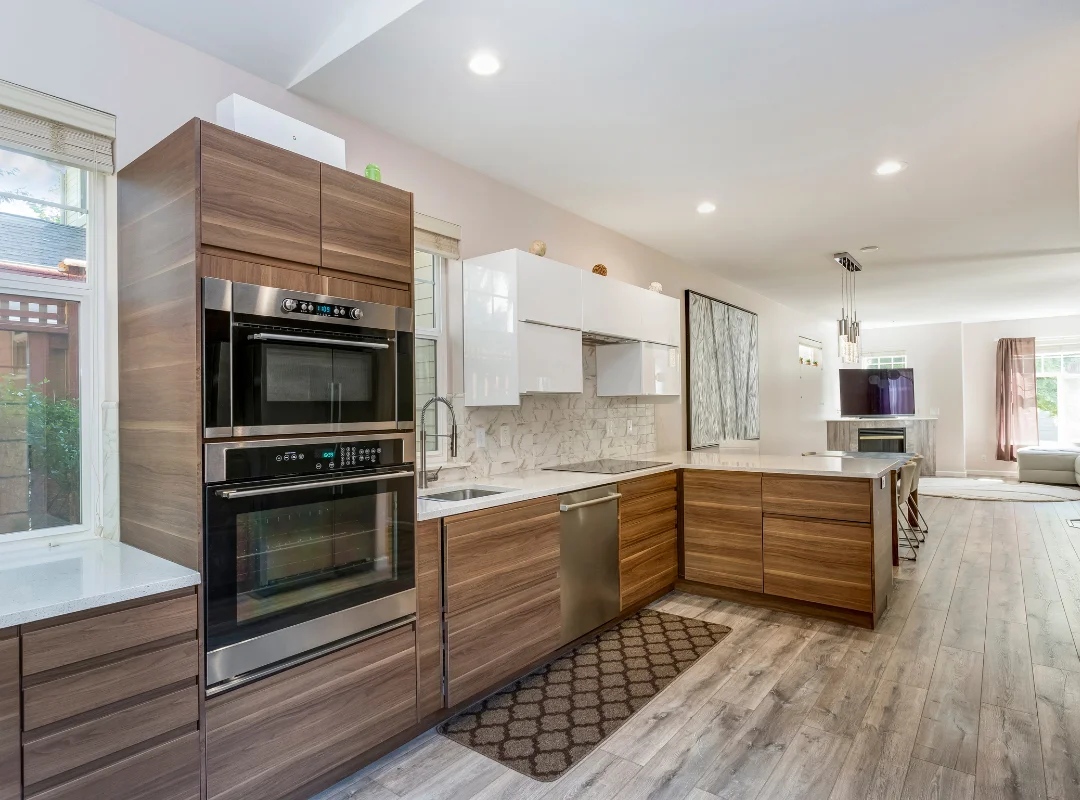
If you prefer wood, white oak and walnut are particularly popular because their natural grain softens the appearance of cabinetry and islands. Rather than painting every kitchen cabinet, many homeowners now combine painted finishes with real wood to create a more natural contrast.
Open Shelving Works Best When Used Selectively
Open shelves work well for displaying everyday dishes, glassware, cookbooks, or decorative pieces that are used regularly. Since these items remain accessible, the shelves contribute both function and style.
For items such as food containers, cookware, or small appliances, closed cabinetry usually provides a cleaner appearance with less maintenance. So, many homeowners combine a few open shelves with traditional cabinets rather than installing an entirely open design.
Layered Lighting for Better Functionality
Kitchen lighting has become an essential part of planning rather than a finishing touch. A single ceiling fixture rarely provides enough light for cooking, entertaining, and everyday family activities.
Most modern kitchens now combine three types of lighting. Task lighting brightens food preparation areas beneath upper cabinets. Decorative lighting, such as pendant fixtures above the island, adds visual interest while defining different zones within the space.
Many homeowners are also adding LED lighting inside glass cabinets, pantries, and drawers. These features improve visibility while creating a softer atmosphere during evenings.
Hidden Storage Creates a More Practical Kitchen
Larger kitchen renovations often include walk-in pantries or secondary prep areas. These spaces provide additional storage for groceries, cookware, and small appliances while reducing clutter in the main kitchen.
If space allows, a walk-in pantry can also simplify meal preparation by creating a dedicated workspace separate from the primary cooking area. Mudrooms or boot rooms remain valuable additions for homes with busy families because they create organized storage for coats, shoes, bags, and other everyday items before they enter the kitchen.
Two-Tone Kitchens in 2026
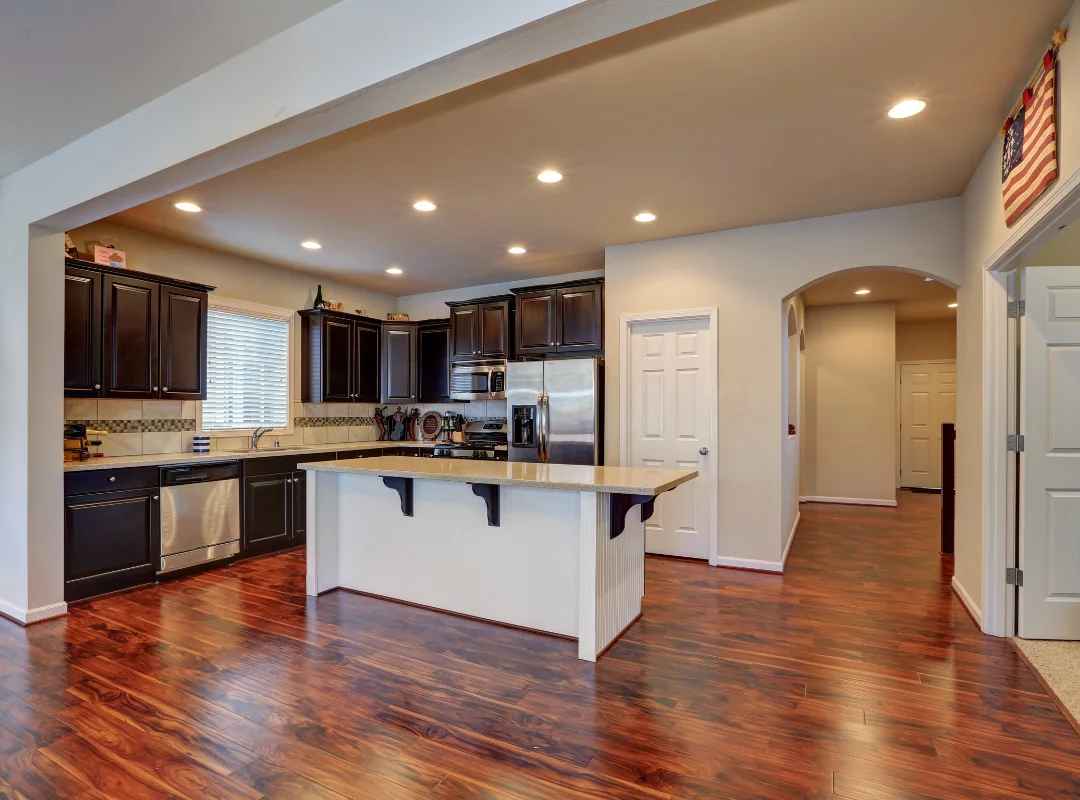
Instead of using a single cabinet color throughout the room, many homeowners now combine complementary finishes to create more visual interest. One of the most common approaches pairs lighter upper cabinets with darker lower cabinets or a contrasting island. This design anchors the room while keeping the upper portion feeling open and bright.
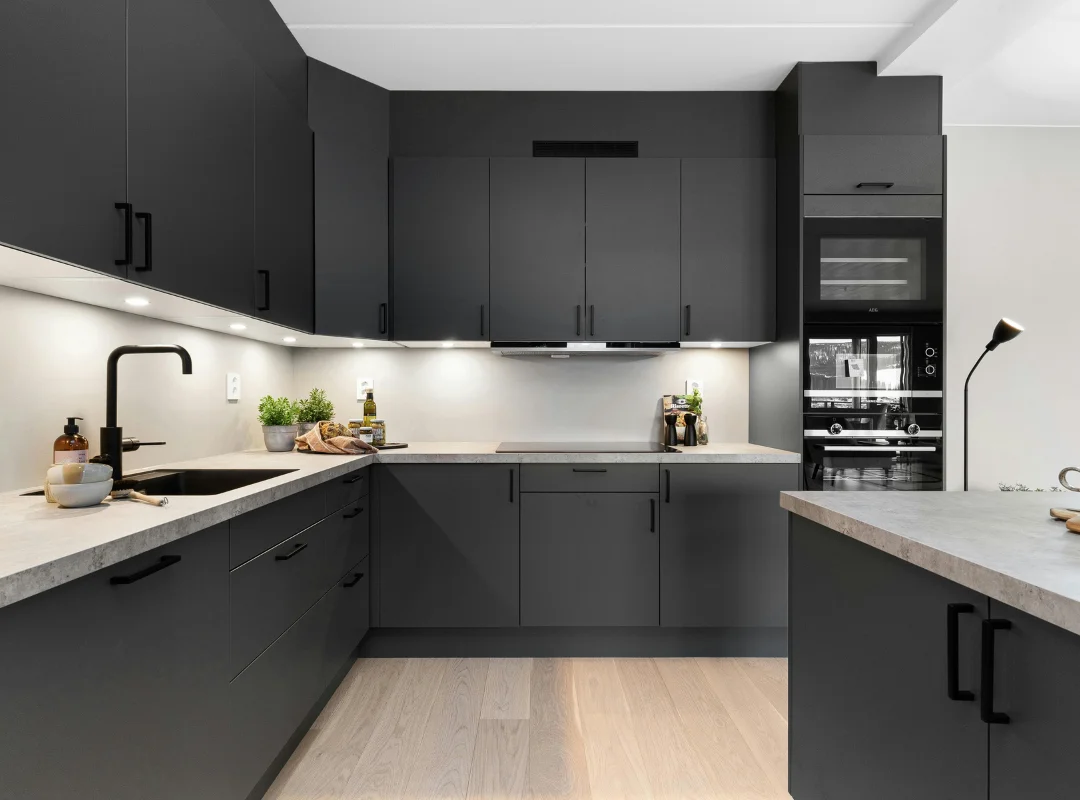
Deep green, navy blue, charcoal, and earthy brown tones are replacing the cool greys that dominated kitchens several years ago. These colors work particularly well when balanced with natural wood, warm lighting, and light countertops.
If you are unsure about committing to bold cabinetry throughout the room, consider adding color only to the island. Repainting an island later is far simpler and less expensive than replacing an entire cabinet layout. Keeping your spatial flow efficient ensures you bypassthe most common kitchen layout mistakes that disrupt daily meal preparation.
Conclusion
The most successful kitchen renovations in 2026 are not built around following every new trend. Instead, they combine timeless materials with practical design choices. So, you get a beautiful kitchen with everyday living standards and functionalities.
Bringing the 2026 Kitchen Trends in Johnson City
Ready to transform your kitchen? Liberty Renovation designs and builds kitchens that combine timeless style with practical functionality. Whether you want to improve storage, update cabinetry, or complete a full kitchen remodel, our team can help you create a space that fits your lifestyle today and continues to add value for years to come. Contact us now.
Frequently Asked Questions
How much does a 2026-style kitchen renovation cost?
The total cost depends on your kitchen size, layout changes, cabinet selection, and finish materials. Natural stone countertops, custom cabinetry, and premium appliances cost more than cosmetic upgrades such as paint, lighting, or cabinet hardware. If your budget is limited, upgrading storage, replacing countertops, and refinishing cabinets often provides the best benefits.
How long does a complete kitchen renovation take?
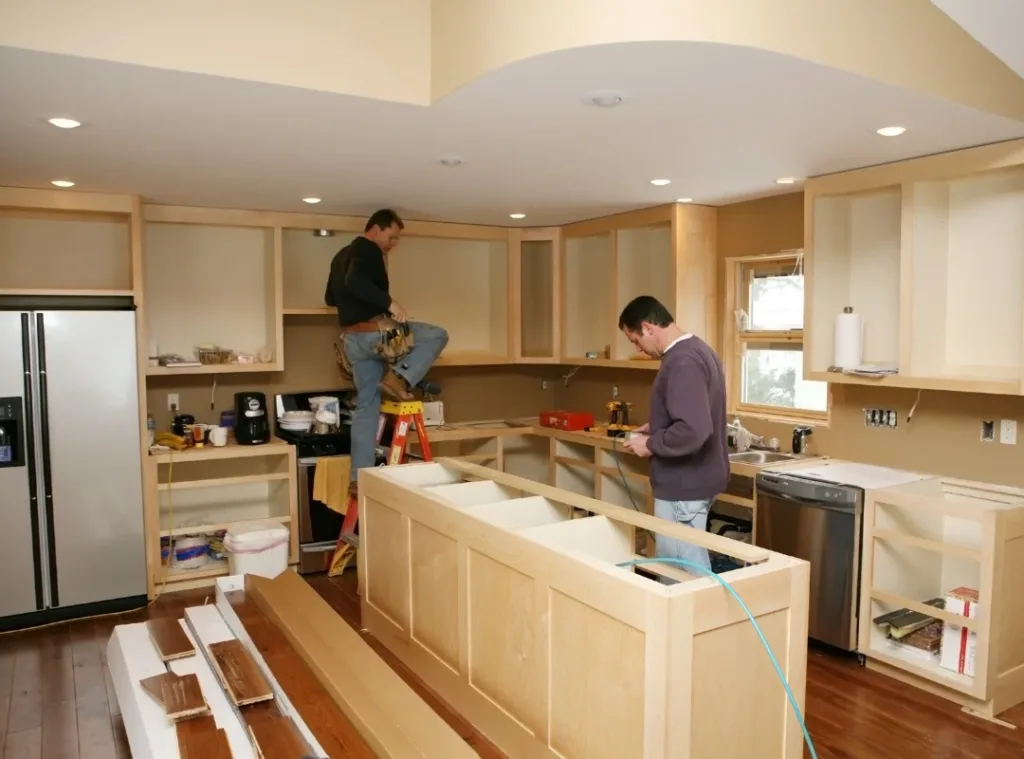
Most full kitchen renovations take 6 to 12 weeks after construction begins. Projects involving custom cabinetry, structural modifications, or special-order stone countertops may take longer because material lead times often determine the overall schedule. Planning your selections before demolition begins helps reduce unnecessary delays.
Which 2026 kitchen trends add the most resale value?
Features that improve functionality usually provide better long-term value than purely decorative upgrades. Well-designed cabinet storage, durable countertops, quality lighting, and good materials such as white oak and quartzite appeal to a wider range of buyers than highly customized color schemes.
Will bold cabinet colors make my kitchen look outdated?
Deep green, navy, and charcoal work well because they complement natural wood and neutral countertops. If you want more flexibility in the future, consider introducing color on the island or lower cabinets rather than throughout the entire kitchen.
What is the easiest 2026 kitchen trend to add without a full renovation?
You can repaint cabinetry using warm neutral colors or introduce natural wood through floating shelves and decorative accents. These upgrades modernize the kitchen without the cost of a complete remodel.