
Range vs. Stove vs. Oven: What's Best?
If you’ve ever shopped for new kitchen appliances or planned a kitchen remodel, you’ve probably heard the terms range, stove, and oven used interchangeably. That’s understandable: most people do it. But strictly speaking, they are not the same thing, and knowing the difference matters when you’re choosing the right appliance for your kitchen layout, cooking style, and long-term needs. Let’s clear up the confusion; keep reading!
What Is a Stove?
The word stove has been around longer than modern kitchens. Historically, stoves existed to heat homes before they were used to cook food. Over time, the term stuck, and today most people use “stove” to mean anything they cook on.
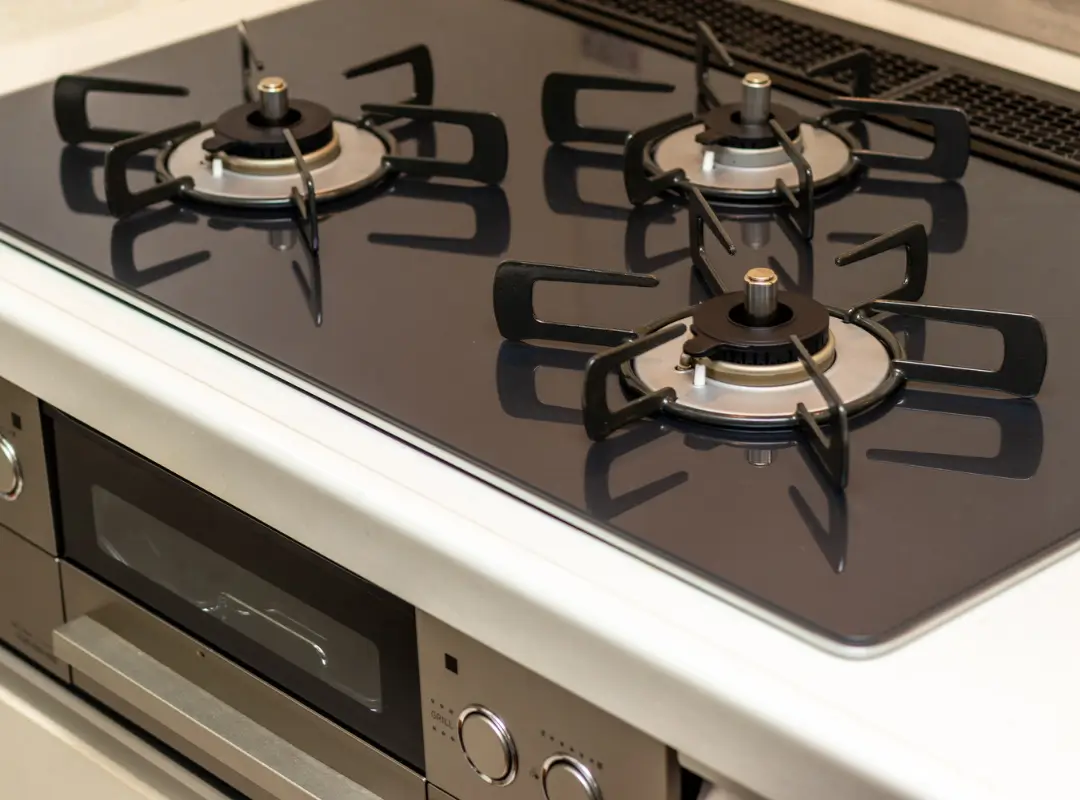
In modern kitchen designs, when someone says stove, they’re usually referring to the stovetop or cooktop; the flat surface with burners used for heating pots, pans, cast-iron skillets, and stir-fry woks. A stove provides only the cooking surface. There is no built-in oven cavity. So when you hear ‘stove vs. oven,’ you’re really comparing surface cooking to enclosed baking and roasting.
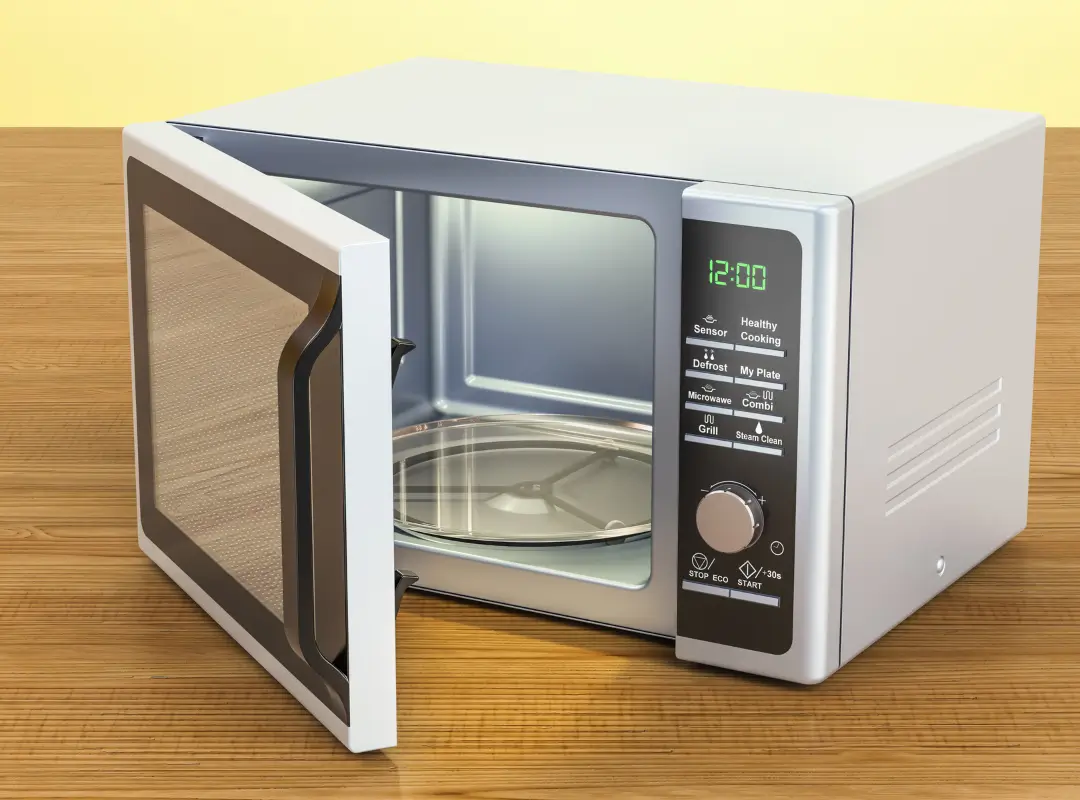
What Is an Oven?
What Is a Kitchen Range?
A kitchen range combines both appliances in one unit. A range includes a stovetop (or cooktop) on top and an oven underneath. That’s why you’ll often hear people say “range oven” or “stove range,” even though the correct term is simply range.
A range is a freestanding appliance in most kitchens, though there are also slide-in and drop-in ranges designed to sit flush with countertops. For many homes, the range is the most familiar appliance because it handles almost all everyday food preparation in one place.
Range vs Stove: What's the Real Difference?
How Is a Range Different From a Wall Oven Setup?
Choosing between a range and wall ovens often comes down to space and preference. A wall oven setup separates the oven from the cooktop entirely. You might have an electric or gas cooktop installed on the counter, with one or two ovens built into the surrounding cabinetry.
This setup works well when wall space allows and when homeowners want the oven at eye level, which is a common consideration in kitchen renovation projects, especially for families. Ranges, on the other hand, require less cabinetry and are often the more practical option in standard kitchens.
What Types of Ranges Are Available Today?
Ranges have evolved significantly. You’ll see gas ranges, electric ranges, and dual fuel ranges, which combine a gas cooktop with an electric oven. Dual fuel models are popular with serious home cooks who want precise stovetop control and consistent baking results.
Some ranges include true convection, improved energy efficiency, and easy-clean oven interiors. Stainless steel finishes remain the most popular, especially when the range acts as a focal point in the kitchen.
Does Cooking Style Affect the Choice?
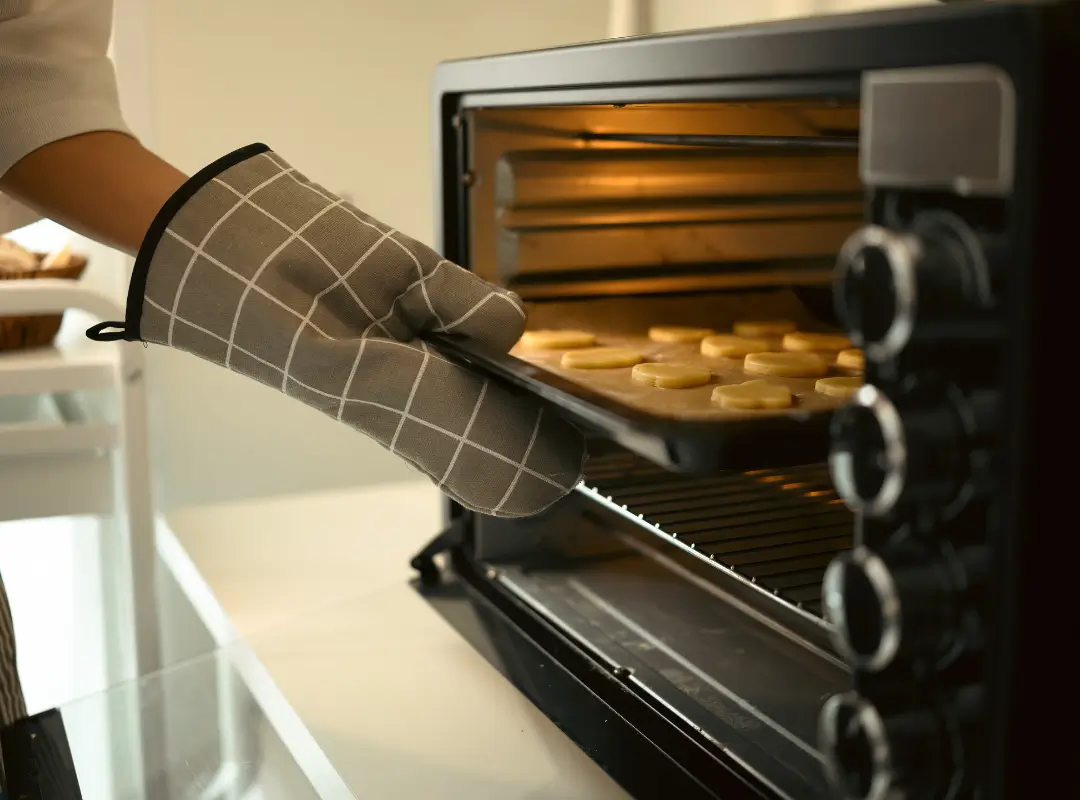
Absolutely. Your cooking style should guide the decision. If you do a lot of stir-frying, sautéing, and quick-heat adjustments, a gas stovetop may suit you better. If baking and roasting are priorities, an electric oven or convection oven often delivers more even results.
A range combines both worlds in one appliance, which is why it remains the standard choice for most homeowners and kitchen remodeling contractors.
How Do Kitchen Layout & Space Factor In?
Your kitchen layout plays a big role. Ranges are space-efficient and fit neatly into standard cabinet openings. Wall ovens require more planning and available cabinet space, but can free up counter space and improve workflow.
In smaller kitchens, a standard range is often the most practical option. In larger kitchens or custom remodels, separating appliances can offer flexibility and a more tailored cooking experience.
Are Energy Efficiency & Cleanup Different?
Energy efficiency depends more on the model than the appliance type. Many modern ranges and ovens are designed to meet higher efficiency standards. Electric ovens tend to retain heat well, while gas cooktops allow faster temperature changes.
Cleanup is another consideration. A single range means one appliance to maintain. Separate cooktops and wall ovens may offer easier access but involve more surfaces overall.
Which Kitchen Appliance Is Right for You?
Conclusion: Know the Difference & Choose Smarter
The difference between a range, stove, and oven isn’t just technical; it affects how your kitchen functions every day. A stove cooks on top, an oven bakes inside, and a range combines both into one efficient unit. Once you understand that, choosing the right appliance becomes much easier and far less confusing. If you need professional guidance, kitchen remodeling companies can help you choose the ideal appliances for your kitchen based on the space, design, and layout.
Planning a Kitchen Upgrade? Call Liberty Renovation Now!
If you’re considering new appliances as part of a kitchen remodel, Liberty Renovation can help you make the right choices from the start. Liberty Renovation proudly serves Johnson City, TN, offering kitchen remodeling services, appliance planning, cabinetry, countertops, and full renovation services.
Our local remodeling experts also offer bathroom remodeling, full home renovations, and new home construction. To schedule a consultation, contact Liberty Renovation at (423) 480‑8904 and get started today!
Frequently Asked Questions
Below, we’ve addressed some commonly asked questions about kitchen ranges, stoves, and ovens.
What is the main difference between a range and a stove?
Is a wall oven better than a range?
Wall ovens offer flexibility and accessibility, but ranges are more space-efficient and practical for many kitchens.
Does Liberty Renovation help with appliance selection in Johnson City, TN?
Yes. Liberty Renovation helps homeowners in Johnson City, TN, choose appliances that fit their kitchen layout and cooking needs.
Are gas ranges better than electric ranges?
It depends on cooking preference. Gas offers faster heat control, while electric ovens often provide more even baking.
Can Liberty Renovation remodel kitchens around new appliances?
Liberty Renovation regularly designs kitchens in Johnson City, TN, around new ranges, wall ovens, and cooktops.

