
Which Bathroom Flooring Is Most Durable?
Bathroom redos often start with one big decision: the flooring. You can redo the space in many ways, but the floor sets the tone for everything else. It handles daily wear, water spills, and constant movement. You also get plenty of bathroom flooring options today, from tile floors to vinyl sheets and even natural stone. Each option brings its own strengths, and some last far longer than others. We will break down the best choices and explain what really works in real homes. If you want a bathroom that holds up under pressure, keep reading. The answer to which bathroom flooring is most durable depends on more than looks, and the details matter more than most people think.
Why Bathroom Flooring Durability Matters More Than Looks
Bathroom floors endure tough conditions every day. Water splashes, steam, and humidity create a constant challenge. Families also walk in and out all day, which adds heavy foot traffic and everyday wear and tear.
A strong bathroom flooring choice must be moisture-resistant without breaking down. It must also prevent slips and falls on wet floors. Many homeowners focus on aesthetic appeal first, but durability saves money and stress over time. Before making any final decisions, reviewing the best bathroom flooring options for your remodel gives you a clearer picture of which materials actually hold up under real bathroom conditions.
A weak floor can crack, swell, or stain quickly. That leads to early bathroom renovation work and higher installation costs. A durable floor avoids these issues and stays solid under pressure, even in high-humidity spaces like master bathrooms, powder rooms, and laundry rooms.
Porcelain Tile: The Strongest All-Round Performer
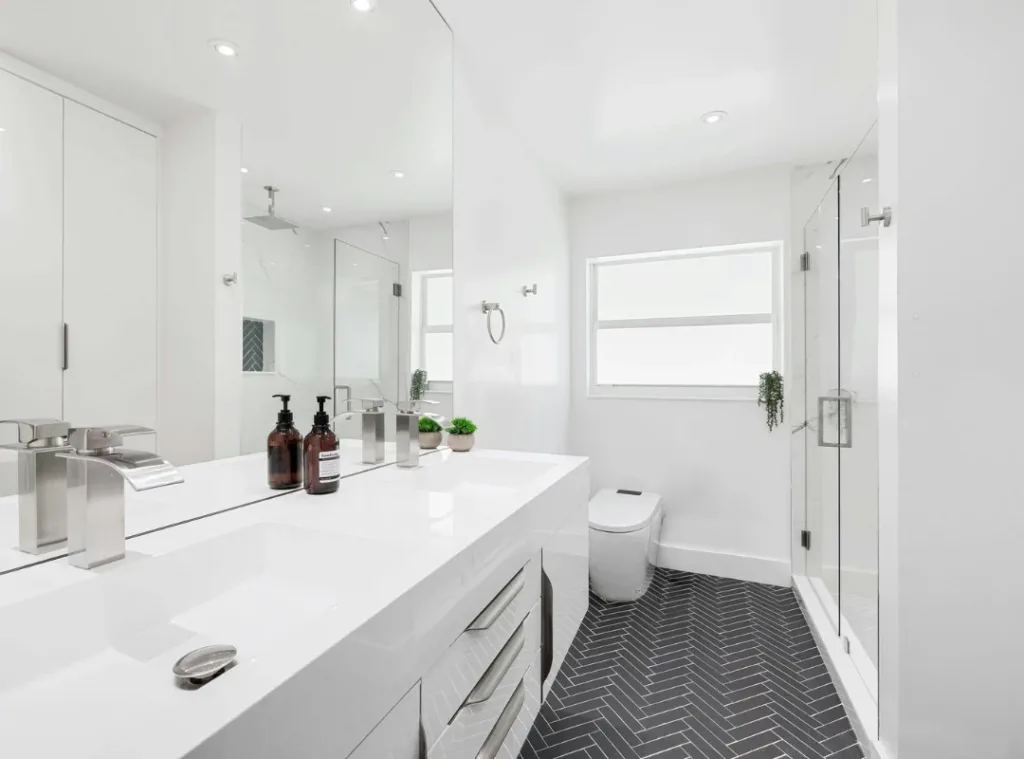
Porcelain tile stands at the top of the list of the best bathroom flooring options. It offers high water resistance and handles constant moisture without damage. Many tile floors in modern homes use porcelain because it stays stable even in wet environments.
Ceramic tile also performs well, but porcelain tile offers higher density and better durability. It resists cracks, stains, and scratches more effectively. Grout lines play an important role here. Proper installation and proper sealing keep water from seeping through. Without that, even strong tile floors can weaken over time.
Porcelain also comes in many designs. You can choose classic subway tiles, large tile sizes, or textured or matte finish options for better slip resistance. These designs work well in both elegant bathroom styles and simple, clean layouts.
When installed correctly, porcelain tile can last for decades. It handles foot traffic, cleaning routines, and daily water exposure without losing strength.
Natural Stone Flooring: Strong, Elegant, & Long-Lasting
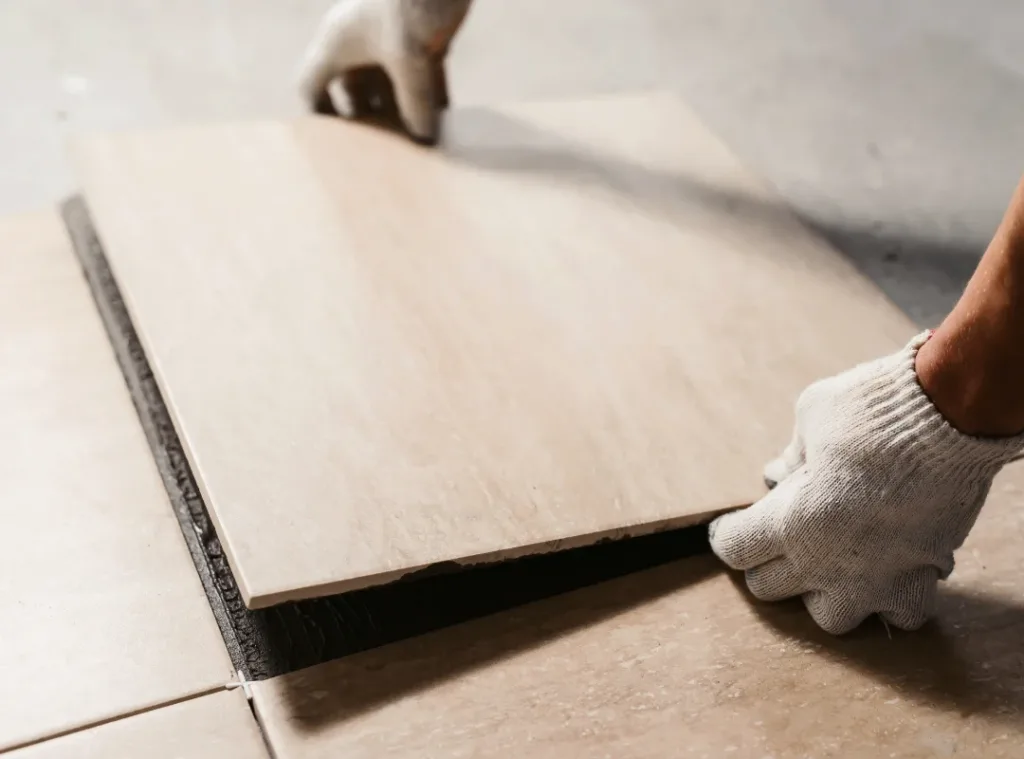
Natural stone flooring brings unmatched strength and natural beauty. Options like marble, slate, and stone tiles create a premium look while offering solid durability. Natural stone tile performs well under pressure, especially in busy bathrooms. However, it needs proper sealing. Without proper sealing, moisture can seep in, weakening the surface over time.
Stone flooring offers natural slip resistance when it has a textured surface. That helps reduce slips and falls in wet areas. Maintenance plays a big role here. Regular cleaning and frequent sealing help stone flooring last longer. It also requires more care than vinyl flooring or porcelain tile.
Still, many homeowners choose natural stone flooring for its long-term durability and strong aesthetic appeal. It works well in master bathrooms where design and strength both matter. If you are designing a higher-end space, exploring how to design a luxury master bathroom can help you pair the right stone flooring with fixtures and finishes that match that level of quality.
Vinyl Flooring: Waterproof, Practical, & Low Maintenance
Vinyl flooring has become a popular option for bathrooms, especially in busy households. It includes luxury vinyl plank (LVP), luxury vinyl tiles (LVT), and sheet vinyl. Luxury vinyl plank mimics the look of wood while offering strong water resistance. Luxury vinyl tiles also replicate the look of stone flooring without the maintenance challenges.
Sheet vinyl offers a seamless surface that completely blocks moisture. That makes it one of the most water-resistant flooring options available today. Vinyl flooring feels warm underfoot, which improves comfort in colder bathrooms. It also reduces installation costs compared to tile installation or stone flooring.
Low maintenance stands as another major advantage. You only need regular cleaning to keep it in good shape. It handles wet floors well and resists stains from daily use.
Engineered Wood & Laminate: Stylish but Limited in Wet Areas
Engineered wood flooring brings a natural wood look while offering better moisture resistance than solid hardwood. It uses a layered construction that reduces expansion and contraction. However, it still struggles in constant moisture conditions. Bathrooms with frequent water exposure or standing water can damage engineered wood over time.
Solid wood flooring performs even worse in bathrooms. It absorbs moisture, swells, and loses shape quickly in wet environments. Most professionals avoid it completely for bathrooms. Laminate flooring offers a budget-friendly option, but it also struggles with water resistance. Even small leaks can damage its surface.
These materials work better in powder rooms or low-moisture spaces rather than full bathrooms. They look good but require careful handling and dry conditions to last. If you are weighing flooring across multiple rooms in a larger renovation, choosing the right new flooring for a renovation project helps you compare all your options side by side before committing.
Slip Resistance & Safety Should Guide Your Choice
Durability does not only mean strength. It also means safety. Bathrooms often become slippery, especially after showers. Slip-resistant flooring options help reduce accidents. Textured surfaces, matte finishes, and naturally textured stone all improve grip.
Porcelain tile with slip resistance works well in wet areas. Vinyl flooring also provides a stable surface that reduces slipping. Even design choices matter. Smaller tile sizes with more grout lines can increase traction. However, grout lines need proper sealing to avoid moisture buildup.
Safety becomes even more important in homes with kids or elderly family members. A strong bathroom flooring choice always balances durability with grip. Avoiding common errors during installation also matters here, and understanding the top bathroom renovation mistakes to avoid helps you sidestep the issues that most often compromise both safety and durability.
Choosing the Right Flooring & Installing It Properly
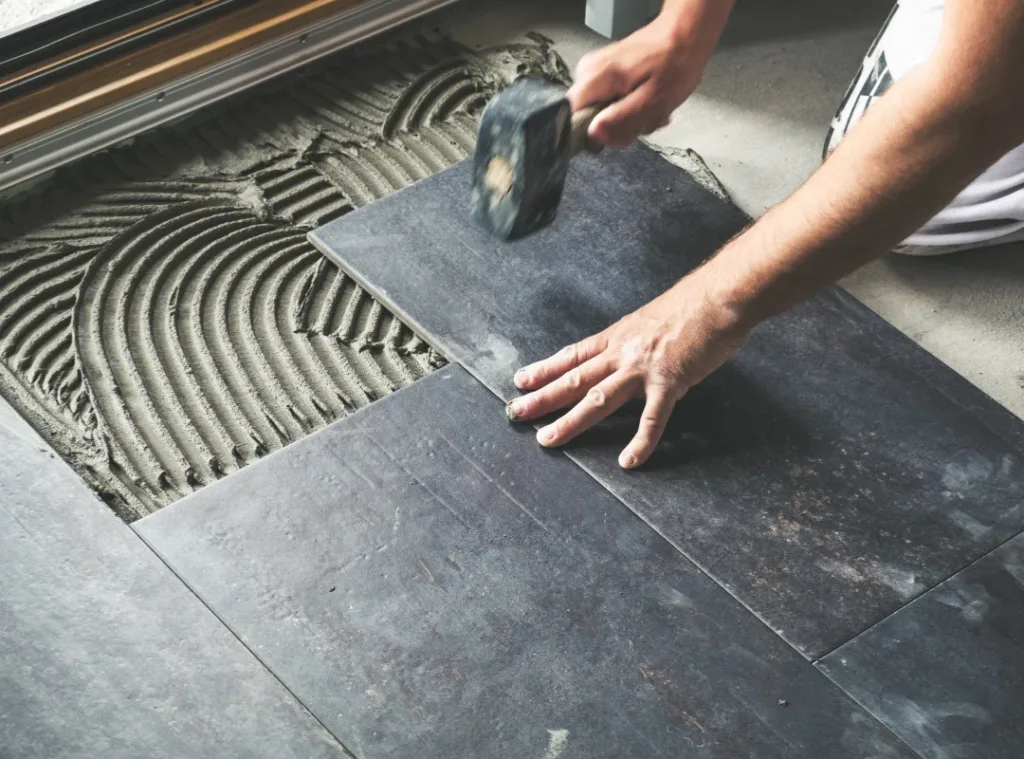
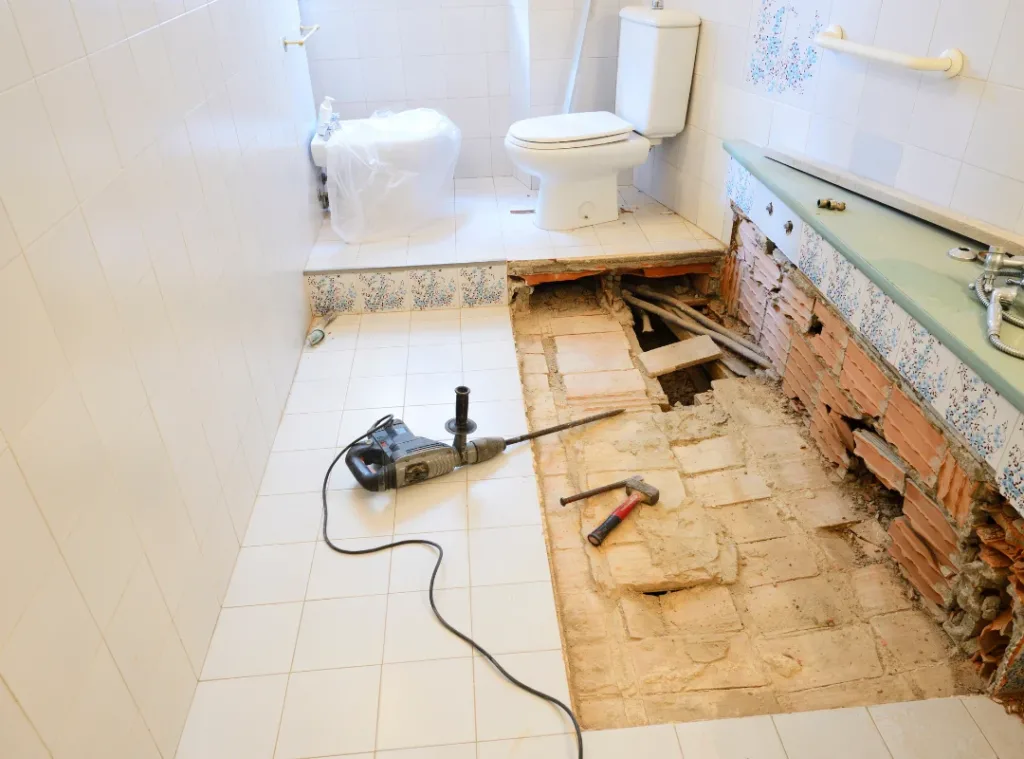
Choosing bathroom flooring depends on your space, usage, and budget. A master bathroom may need a different material than a small powder room. High-traffic bathrooms also demand stronger materials. Bathroom renovation projects often fail when installation goes wrong. Even the best flooring materials lose strength if contractors skip proper installation steps.
Tile installation requires precision. Uneven placement, weak grout, or poor sealing leads to early damage. Vinyl flooring also needs a smooth base to perform well. DIY installation can work for vinyl, but tile and stone flooring often need professional work. Knowing what a general contractor does helps you understand why professional oversight during flooring installation protects your investment far better than guesswork. This ensures proper alignment, sealing, and long-term durability.
Installation costs may vary, but a strong installation protects your investment. It also significantly extends the life of your flooring.
Maintenance Keeps Your Bathroom Floor Strong for Years
Even the most durable bathroom flooring needs care. Regular cleaning prevents buildup from soap, moisture, and dirt. Frequent cleaning also protects textured surfaces and grout lines. Porcelain tile needs light cleaning but benefits from occasional grout care. Natural stone requires sealing and careful cleaning products. Vinyl flooring stays easy to maintain with basic cleaning routines.
Heavy foot traffic areas demand more attention. Bathrooms connected to bedrooms or laundry rooms often need more frequent cleaning. Proper maintenance extends flooring life and keeps surfaces safe. A well-maintained floor resists moisture, handles daily wear, and keeps its appearance for years.
Final Thoughts
Durability in bathroom flooring depends on material strength, moisture resistance, slip safety, and installation quality. Porcelain tile leads the pack for long-term performance. Natural stone offers strength with elegance but needs more care. Vinyl flooring delivers the best balance of waterproofing and ease of maintenance. Engineered wood and laminate work in limited situations but struggle in wet environments. The right choice always depends on how you use your bathroom and how much maintenance you can manage. When you match material with purpose, your floor lasts longer and performs better under daily pressure.
Bathroom Flooring That Holds Up with Liberty Renovation
Bathroom floors face constant exposure to water, humidity, and frequent use, so durability depends on choosing materials that resist moisture damage while maintaining surface strength over time. Options like tile and properly sealed surfaces generally perform better in wet environments compared to more porous materials.
Liberty Renovation handles bathroom remodels, full home renovations, flooring upgrades, and interior improvements, helping homeowners select and install durable flooring solutions that fit both design goals and long-term performance needs. Proper installation is just as important as material choice when it comes to preventing future issues.
If you’re planning a bathroom upgrade, now is the time to contact us. Get an estimate from Liberty Renovation today.
FAQs
Here are some common questions homeowners ask about bathroom flooring services from Liberty Renovation across Johnson City, TN.
Q1. Does Liberty Renovation install durable bathroom flooring in Johnson City?
A: Yes, Liberty Renovation installs porcelain tile, vinyl flooring, and natural stone flooring in both Johnson City properties.
Q2. Which bathroom flooring options does Liberty Renovation recommend for wet areas?
A: Liberty Renovation often recommends porcelain tile and luxury vinyl flooring for wet bathrooms due to strong water resistance.
Q3. Can Liberty Renovation help choose slip-resistant bathroom flooring?
A: Yes, Liberty Renovation guides homeowners toward slip-resistant flooring options like textured tile and matte vinyl.
Q4. Does Liberty Renovation handle full bathroom renovation and tile installation?
A: Yes, Liberty Renovation provides complete bathroom renovation and professional tile installation services.
Q5. What bathroom flooring lasts longest, according to Liberty Renovation experts?
A: Liberty Renovation typically considers porcelain tile and properly sealed natural stone flooring as the most durable choices.