How to Budget for a Home Renovation Without Overspending
A home renovation usually starts with one simple idea: new flooring, better lighting, a fresh coat of paint, or kitchen cabinets that no longer feel outdated. Then the project grows, and suddenly you’re spending more money than planned.
Learning to budget before any renovation helps you understand costs, compare materials, plan for surprises, and decide where to spend your money.
Knowing Your Renovation Budget
Many homeowners begin with a number they can afford, then try to make the whole project fit inside it. That’s not always wrong, but it can lead to frustration if the budget doesn’t match the actual costs of labor, materials, fixtures, and appliances. Before setting a final budget, it is best to understand how to choose a remodeling contractor to ensure you’re comparing qualified professionals and accurate project estimates.
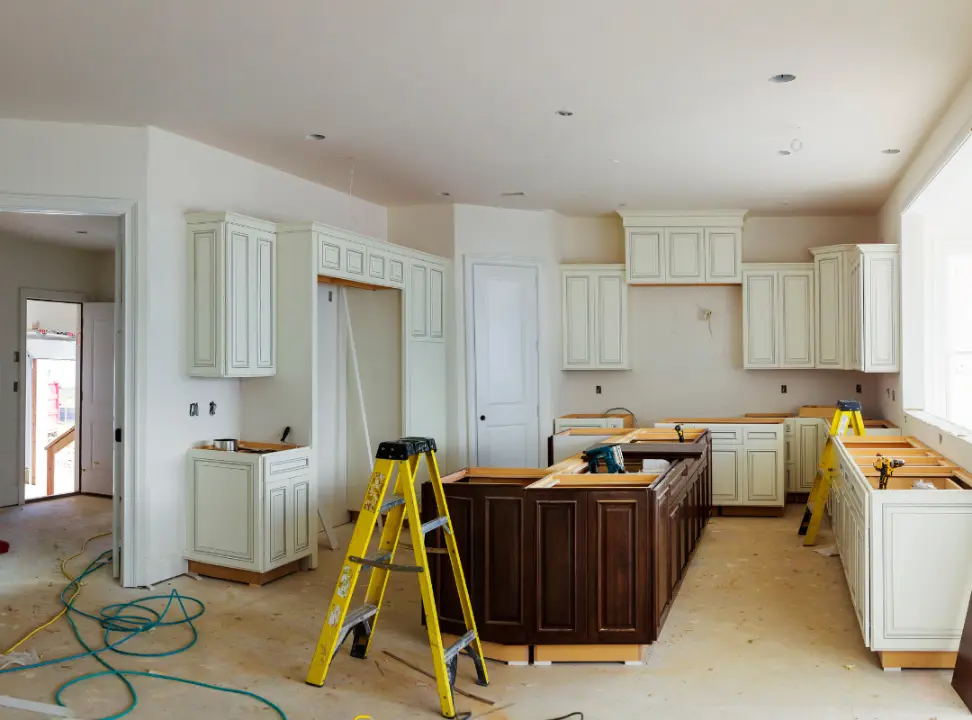
Recent home renovation data gives us a useful starting point. In 2026, the median renovation spend was around $20,000. Kitchen remodels had a median spend of about $22,000, while large kitchen remodels reached about $55,000.
So what does this mean in simple words?If you’re updating paint colors, a light fixture, and flooring in one room, you may stay within a lower cost range. If you’re replacing kitchen cabinets, countertops, appliances, and lighting, you’re looking at a much larger investment. If you’re moving plumbing, walls, or electrical systems, expect high costs because labor costs rise quickly.
The goal is not to scare you away from renovating. It’s to help you plan carefully, so your renovation process starts on the same page with your budget. Yes, all of this can be difficult. So, it’s always wise to hire a professional like Liberty Renovation. We can help you decide on a budget, find the best materials, and even discover better design ideas.
Set a Realistic Remodeling Budget
A realistic budget does two things. It sets a spending limit and gives your general contractors clear direction. Without that, you and your contractor will stay confused about the materials, fixtures, or appliances, which will cost more. Here’s what you can do:
Start by dividing your budget into three simple groups.
Non-Negotiables
These items affect daily life or protect the house.
A leaking bathroom
Damaged flooring
Outdated wiring
Poor lighting in a kitchen
Cabinets that no longer function
Energy-efficient upgrades that reduce waste over time
Why? These items usually matter more than style. If you skip them now, you may end up spending more on future repairs.
The Nice-to-Haves
These are upgrades you want, but don’t absolutely need.
Custom tile
Premium paint colors
High-end fixtures
A designer range hood
Specialty cabinet hardware
Upgraded appliances
The “Only If There’s Room” List
This is where you put add-ons that can wait.
Extra shelving
A new light fixture in the hallway
Cosmetic updates in guest bathrooms
Decorative trim
Smart-home features
Some homeowners rush for these “nice-to-have” renovations. That’s why you should hire a reliable contractor like Liberty Renovation for the best budget management. The result? You stay in control. You decide what matters before the project starts, instead of making rushed choices during construction. Many appliance decisions become easier when paired with the planning strategies covered in pro tips for designing your dream kitchen.
Plan for Hidden Costs During Home Upgrades
Even with proper planning, surprises happen. A contractor may open a wall and find old plumbing. Flooring may come up, revealing subfloor damage. A bathroom may need more waterproofing than expected. Avoiding surprises starts with understanding basic bathroom renovation mistakes before construction begins.
That’s why every home renovation needs a contingency fund. A smart rule is to set aside 10% to 20% of your total budget for hidden costs and unexpected expenses.
For example:
On a $20,000 renovation, save an extra $2,000 to $4,000.
On a $35,000 kitchen project, keep $3,500 to $7,000 available.
On a $55,000 large kitchen remodel, plan for $5,500 to $11,000 in backup funds.
Plus, this money isn’t wasted if you don’t use it. You can put it toward upgraded lighting, a better front door, new fixtures, or simply keep it for future repairs.
Skipping this cushion is one of the fastest ways to overspend. Once work begins, stopping halfway usually costs more than planning correctly from the start.
Use Low-Cost & Budget-Friendly Upgrades Wisely
Not every renovation has to be a full remodel. Some of the best home improvements are smaller, cost-effective updates that make a room feel new without tearing everything apart.
A living room is a great example. The 2025 median living room renovation spend was around $4,000, which is much lower than most kitchen and bathroom projects. That’s because many living room updates focus on surface-level improvements.
Think about:
A fresh coat of paint
Updated lighting
New flooring
A modern light fixture
Trim repairs or cosmetic updates
So, if your house feels outdated but your systems are in good shape, start with these budget-friendly changes. You can create a noticeable upgrade without spending money on structural work.
The same idea applies to bathrooms. If the layout works, you may not need to move plumbing. New fixtures, paint, lighting, and flooring can refresh the space at a lower price than a full gut remodel.
A successful home renovation is about spending the right money in the right places. When you set renovation goals, plan for hidden costs, compare materials, and keep your contractors on the same page, you protect both your budget and your property value.
Your renovation should improve your life now and support your home’s worth in the long run. With proper planning and the right team, you can create a space that feels fresh, functions better, and stays within a clear budget.
Plan Your Home Renovation With Liberty Renovation
Budgeting is one of the most important parts of remodeling, and it’s easier when you have experienced contractors guiding the process. Liberty Renovation helps homeowners plan carefully, compare options, and make smart choices for kitchens, bathrooms, living rooms, full-home renovations, and more.
If you’re ready to renovate without overspending, let’s talk through your project, your budget, and your goals. Call Liberty Renovation today at (423) 480-8904 or visit our office in Johnson City, TN.
FAQs
Below, we’ve answered some questions about the best bathroom colors.
1. How much should I budget for a home renovation?
It depends on the project size, materials, and labor costs. A smaller living room update may cost a few thousand dollars, while kitchens and bathrooms often cost much more. Liberty Renovation can help you build a realistic budget based on your home, goals, and current renovation costs.
2. What is the highest hidden cost in a renovation?
The most common hidden costs come from issues behind walls or under floors, such as plumbing damage, electrical problems, water damage, or subfloor repairs. Liberty Renovation identifies these risks early and explains potential unexpected expenses before work begins.
3. Is it cheaper to renovate one room at a time?
Sometimes, yes. Renovating one room at a time can make the project more affordable. But if multiple rooms need the same trade work, such as flooring, drywall, or electrical updates, combining projects may save on labor costs.
4. Do you provide renovation budgeting help in Johnson City, TN?
Yes. Homeowners in Johnson City, TN, can plan renovation projects by comparing must-have repairs, cosmetic updates, material choices, and financing needs before work begins. Local planning also helps account for area labor costs and supplier timelines.
5. Can Liberty Renovation help me cut costs without lowering quality?
Yes. Liberty Renovation can suggest cost-effective options such as cabinet refacing, mid-range materials, preserving the layout, and phased remodeling. These choices help you save money while still improving function, comfort, and resale value.